A Rolex crown that won’t screw down properly is worth taking seriously right away, not putting off. It’s the seal that keeps your watch water resistant, and forcing it usually makes things worse rather than better.
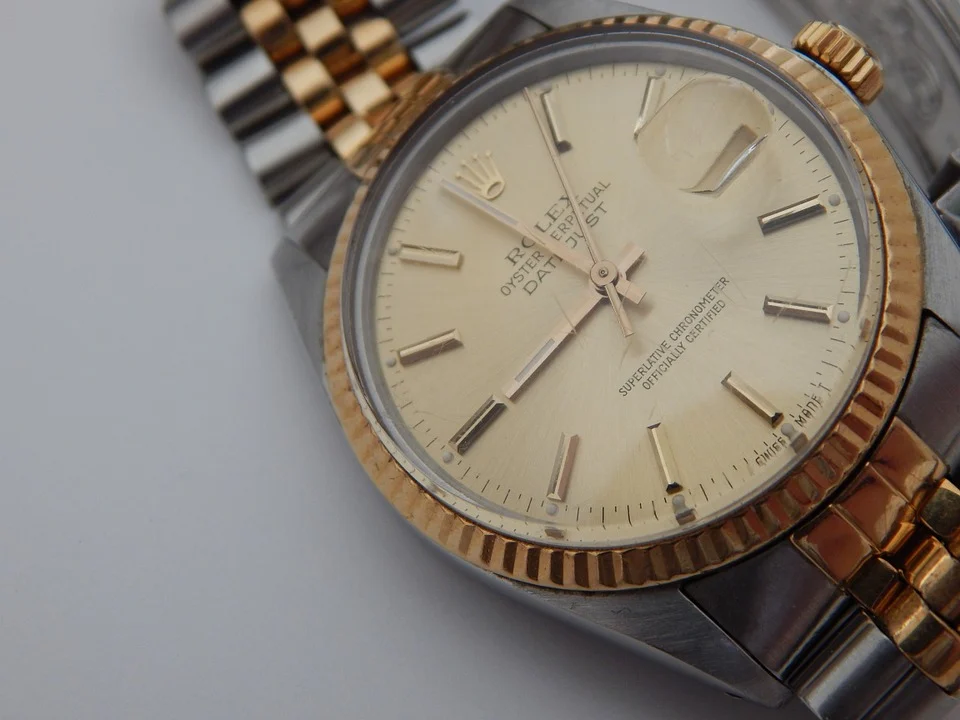
The Correct Technique First
Rolex’s own instructions describe screwing the crown down with light, steady inward pressure while turning clockwise. A common mistake is pressing too hard right at the start, or turning at a slight angle, both of which stop the threads from engaging properly. A useful trick many watchmakers use: press the crown in gently and turn it very slightly counter-clockwise first, you’ll feel a small click as the threads find their starting point, then reverse direction and screw it down clockwise. This back-threading technique is widely recommended specifically because it prevents the crown from engaging the wrong thread angle in the first place.
It Turns But Springs Back Out
If the crown pushes in fine but keeps springing back out when you try to turn it, the threads usually just aren’t catching yet, not that anything’s broken. Try the gentle counter-clockwise trick above, and apply slightly firmer, even inward pressure while turning. This is common enough on brand new watches that it doesn’t automatically mean a defect.
It Catches, Then Gets Stuck Solid
If the crown turns about half a turn and then stops hard, like it hit a wall, stop immediately. This is a classic sign of cross-threading, the crown’s threads cutting a new path into the tube’s threads at the wrong angle. Continuing to force it is exactly how threads get permanently stripped.
Fix: Back the crown off completely and try again from a fully unscrewed position, using the gentle technique above. If it keeps happening at the same point every time, stop trying and see a watchmaker, forcing past that point risks needing a full crown and tube replacement.
It Spins Endlessly and Never Catches
This is different and more serious: the crown turns smoothly forever with no resistance and never locks down. This points to worn or stripped threads on the crown or the tube, often from years of frequent screwing and unscrewing. Unlike the cross-threading scenario above, gentler technique won’t fix genuinely worn threads.
Fix: Treat the watch as having zero water resistance until a watchmaker inspects and replaces the worn crown or tube. Even everyday humidity and hand-washing can be enough to cause a problem while it’s in this state.
If your date function is misbehaving rather than the crown itself, see our guide on Rolex date not changing at midnight. And if the watch has stopped entirely, check our guide on why a Rolex Submariner keeps stopping.
Conclusion
Most crown-screwing trouble comes down to technique, light pressure, a slight counter-clockwise start, then screwing down clockwise. If it catches and then jams solid, stop before you strip the threads. If it spins endlessly with no catch at all, the watch has effectively no water resistance until a watchmaker replaces the worn parts.