Start with one question: did it get loose gradually over years, or does it just feel loose today? The answers are completely different, and one of them is not a problem at all.
This post contains affiliate links. We may earn a small commission if you purchase through them, at no extra cost to you.
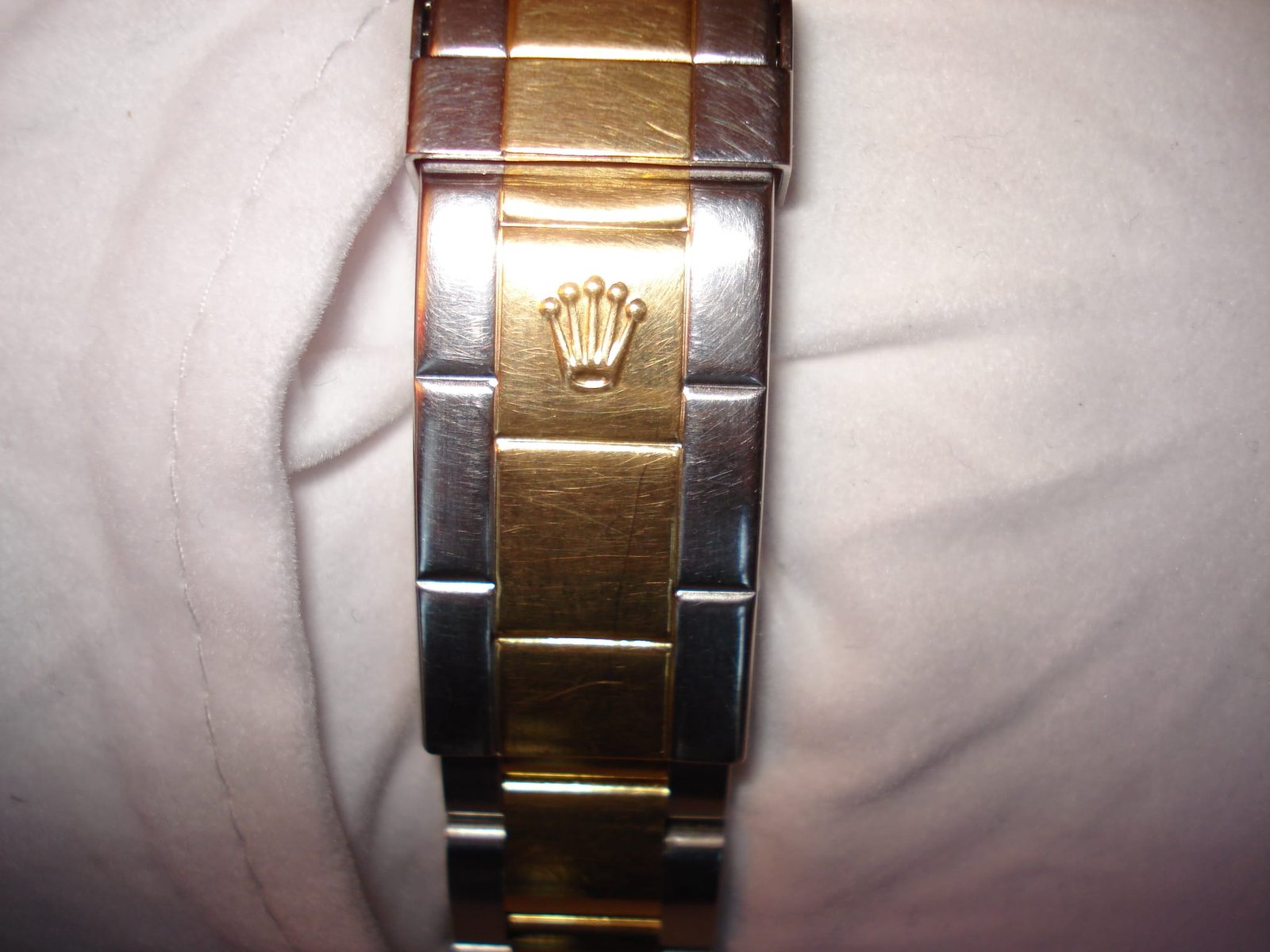
If It Happened Suddenly
Three things to rule out before you assume anything is worn.
- The Easylink is unfolded. On a Datejust and most non-sports models the clasp hides a 5mm folding extension. If it has been opened, the bracelet is 5mm longer than it was. That is exactly the amount that makes a watch feel wrong without looking different.
- The Glidelock has slipped a notch. On a Submariner or GMT the clasp head slides on a ratchet in 2mm steps. A knock can move it.
- Your wrist. Wrists are measurably smaller in cold weather and in the morning. A bracelet sized on a hot afternoon will feel loose in January.
If It Happened Gradually, the Word Stretch Is Wrong
Everyone calls it stretch, and nothing is stretching. The metal is not elongating.
What actually happens is that the pins and the holes they pass through wear against each other. Each hole becomes very slightly elongated, each pin slightly thinner. The extra length you feel is the accumulated empty space from all those widened holes across twenty or so links, added together.
That distinction matters because it tells you the fix. You cannot shrink metal back. You can replace worn pins and links.
Dirt Is Doing the Damage
Grit trapped between links does not sit there harmlessly. It becomes an abrasive, and every movement of your arm grinds those particles against the pins and the insides of the holes. Specialists describe it as a grinding chamber, and it wears metal far faster than clean metal-on-metal contact would.
Which means regular cleaning is structural maintenance rather than cosmetic. Warm water, mild soap, a soft toothbrush, working into the gaps between links, with the crown screwed down.
Wearing It Loose Makes It Worse
This is the one most owners get backwards. A bracelet that slides freely around your wrist means the watch head is constantly pulling against the links as your arm moves, and the pins take that load every time.
So a loose bracelet accelerates the wear that made it loose. Sizing it properly is not just comfort, it is what stops the problem compounding. Too tight is also unhelpful, but it is the rarer mistake.
Storage, incidentally, does nothing either way. A watch sitting in a box is static and is not wearing anything.
The Ten-Second Test
Take the watch off. Hold it by the case alone, dial facing the ceiling, arm out so the watch is parallel to the floor.
A tight bracelet sticks out like a diving board. A worn one droops toward the floor under its own weight, sometimes dramatically.
One caveat that matters: compare like with like. A Jubilee is naturally more supple than an Oyster, and a lighter vintage bracelet hangs differently from a modern solid-link one. The droop test is a first signal, not a verdict. Under magnification you want to look for elongated pin holes and worn link edges.
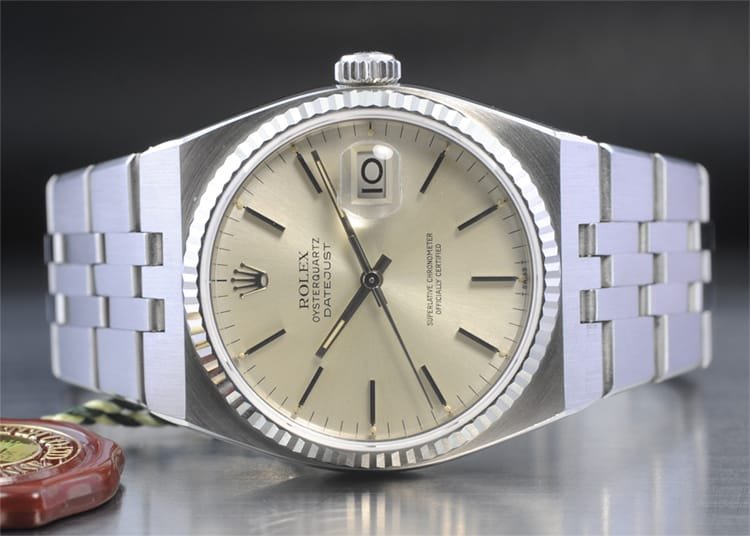
Which Bracelets Suffer Most
- Vintage hollow Jubilee. Thin metal and many pivot points. The worst combination.
- Folded-link bracelets. Better than hollow, still not solid.
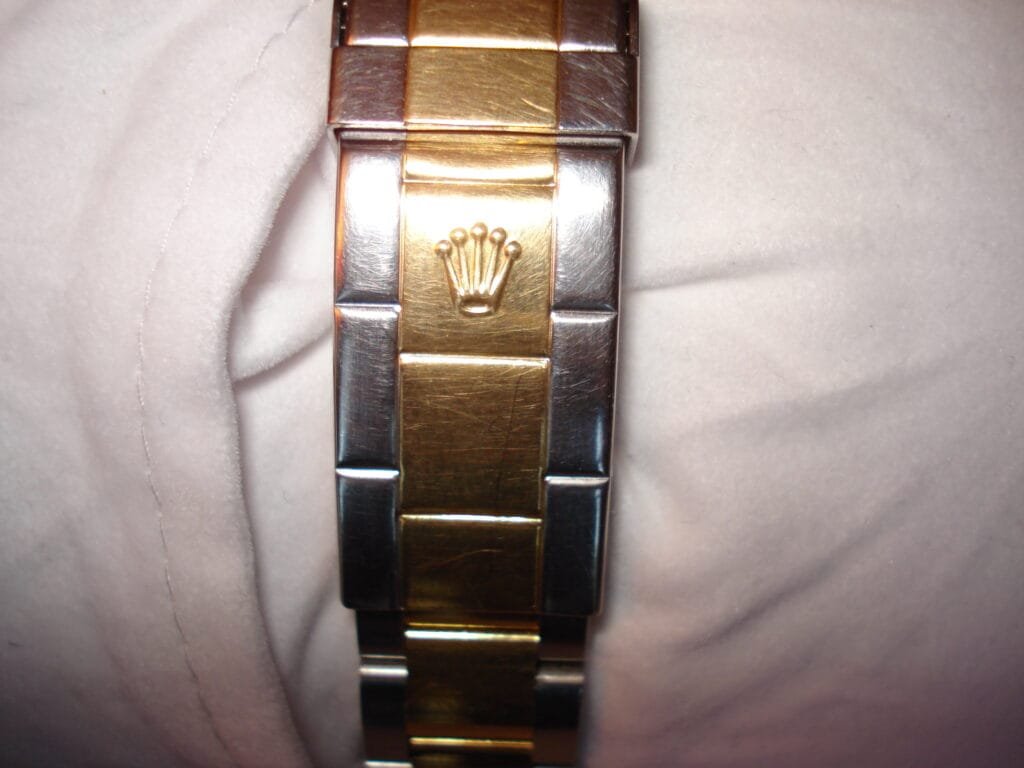
- Gold, and two-tone. Gold is softer than steel. On two-tone models the gold centre links wear internally while looking perfect from outside, and nobody sees it until the bracelet is taken apart.
- Modern solid links. Far more resistant, close to zero play when new, but not immune over decades.
What Can Be Done
- Replace the worn pins. Restores a good deal of tightness where the links themselves are sound. The bracelet reference number is stamped on the bracelet, which is what you need to order correct parts.
- Replace individual worn links. Where specific links have opened up more than the rest.
- Replace the bracelet. Often the sensible answer on an older watch, and an aftermarket Oyster-style bracelet in 20mm costs a fraction of an original. Match the lug width and end link profile to your reference.
Worth knowing before you decide: on a collectible reference, an original bracelet with honest wear is usually worth more than a replaced one, even a tighter one. Originality and value pull against comfort here.
Conclusion
Check the Easylink and the clasp before anything else, because a sudden change is almost never wear. If it has come on over years, it is worn pins and holes rather than stretched metal, and the two things that slow it are keeping the bracelet clean and not wearing it loose.
Related Guides
- How to adjust a Rolex Oyster bracelet without a jeweler: Glidelock, Easylink and the hidden third adjustment on older clasps.
- Rolex Datejust vs Submariner movement differences: why the clasps differ even though the movements do not.
- Why does my Rolex keep stopping?: worth a look if the watch has also been running oddly.
Image credits: Rolex Submariner via Wikimedia Commons. Rolex Datejust Oysterquartz by Esperto Orologi, CC BY-SA 3.0.