A G-Shock strap does not crack because you were rough with it. It cracks because the resin itself changes over years, and the chemicals that do most of the damage are the ones you put on your own skin.
This post contains affiliate links. We may earn a small commission if you purchase through them, at no extra cost to you.
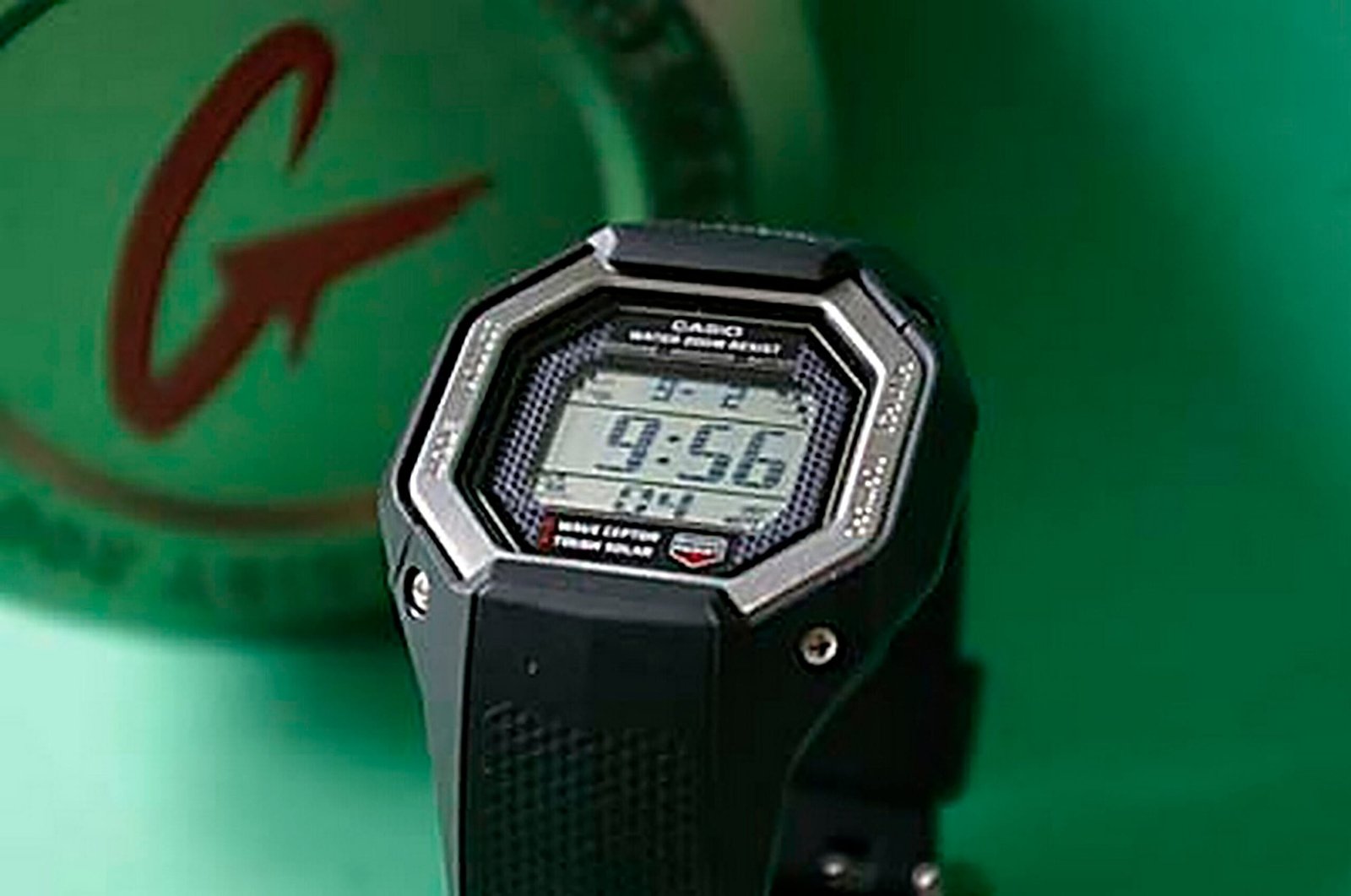
What Resin Rot Actually Is
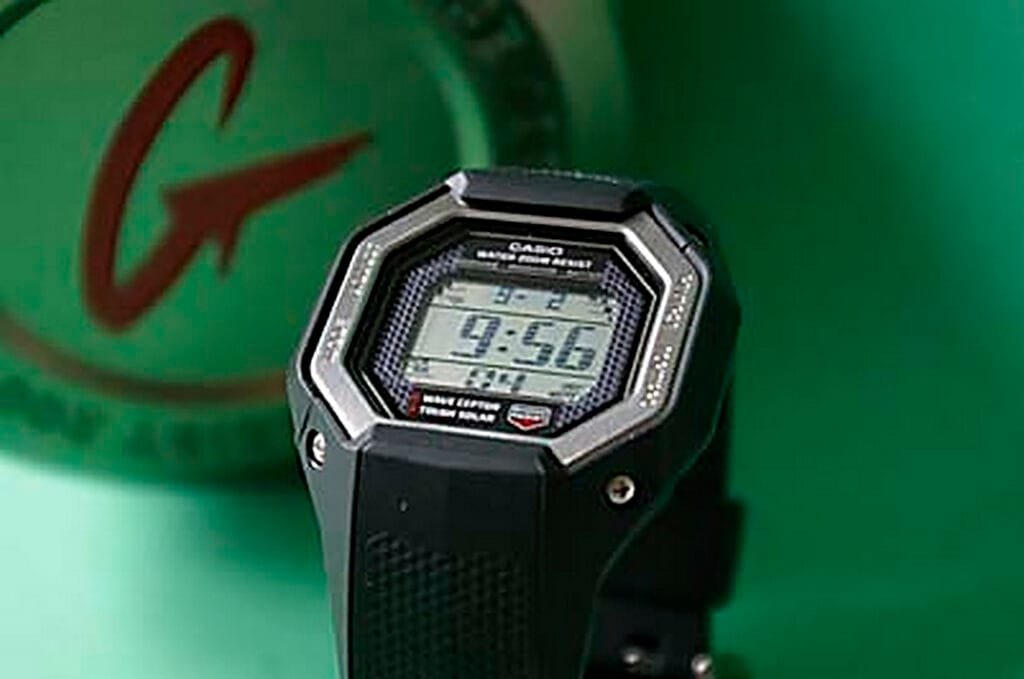
G-Shock straps are polyurethane resin, chosen because it absorbs impact. It stays flexible because of plasticisers mixed through the polymer, and those plasticisers do not stay put. Over years they evaporate or get washed out.
As they go, the polymer chains stiffen. A stiff strap cannot absorb the flexing it gets every time you put the watch on, so micro-cracks form, and eventually one of them runs all the way through. That is why a strap that felt fine for a decade snaps without warning on an ordinary Tuesday.
Reported lifespans vary enormously. Some owners get seven years, others are still on original straps after twenty. Storage conditions and what the strap has been exposed to matter more than age alone.
The Warning Sign Most Owners Miss
Look at the strap where it meets the lugs, in good light, and bend it slightly. If the resin goes pale or chalky at the bend, that is stress whitening, and it reliably shows up before any visible crack does.
That is your window. A strap showing stress whitening at the lugs is going to fail, and it is much better to replace it deliberately than to have it let go while you are wearing the watch.
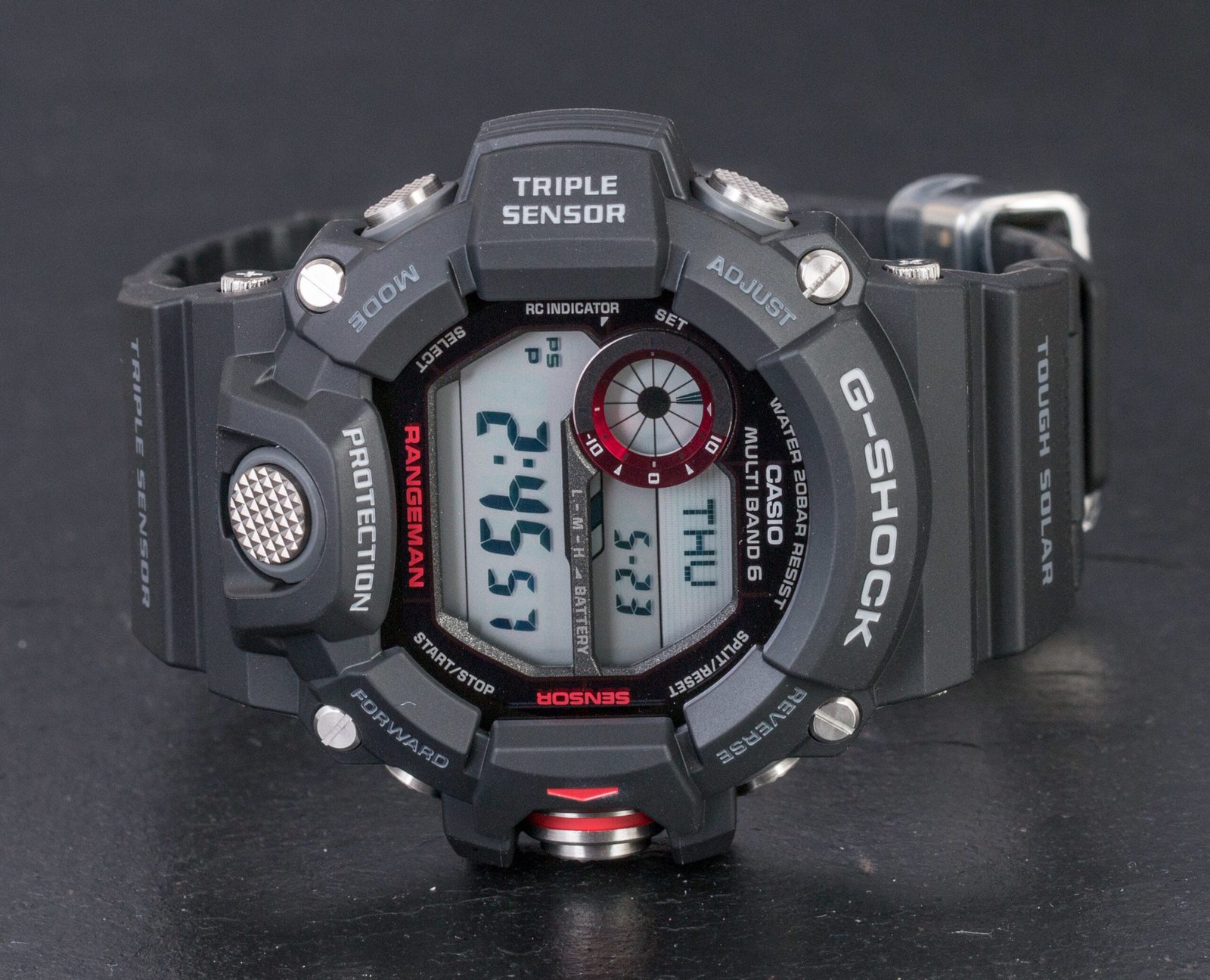
What Actually Accelerates It
Solvent-based products are the main culprits, because they pull the plasticisers straight out of the resin:
- Hand sanitiser. Alcohol-based and applied exactly where the strap sits.
- Insect repellent. DEET is aggressive toward plastics generally.
- Sunscreen. Frequently applied to the same wrist wearing the watch.
- UV light. Ultraviolet breaks polymer bonds directly. Black straps fare slightly better, since the carbon black pigment offers some protection.
- Skin oils and sweat. Slow, constant, and unavoidable if you wear it daily.
Rinsing the watch in fresh water after heavy sweating or a day at the beach genuinely helps, and costs nothing.
If It Has Gone Sticky, It Is Finished
A tacky or sticky strap is a different and later stage. That is the polymer breaking down chemically rather than just drying out, and it cannot be reversed.
Replace a sticky strap promptly rather than living with it, because the residue can work its way into the button seals. Some owners also report skin irritation from degraded resin.
And no, you cannot re-soften it. Surface dressings leave a film that slows further evaporation and shields a little UV, which is worth doing on a strap you want to preserve. They do not restore plasticiser that has already gone.
Replacing It
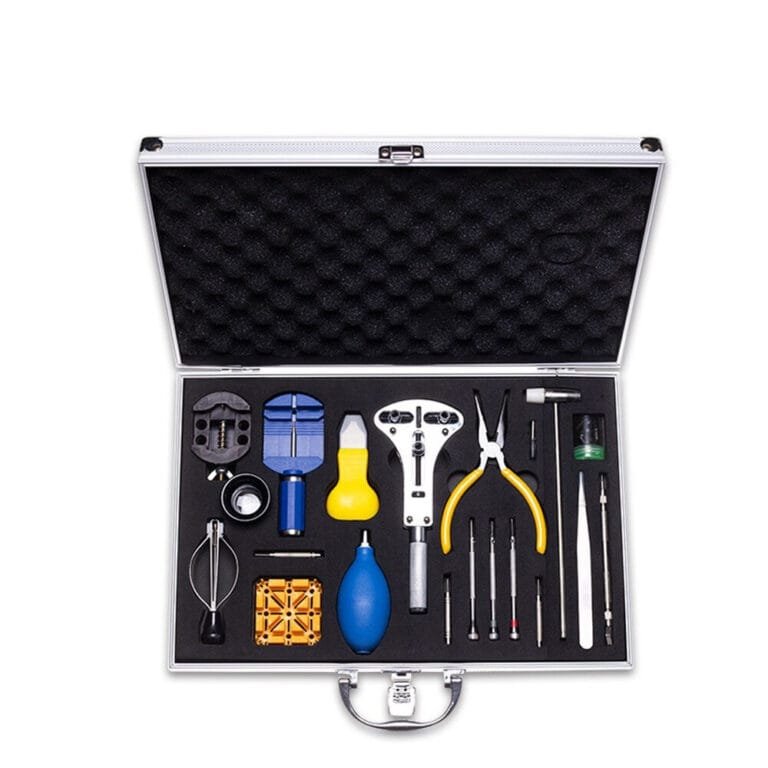
Straps are sold by model, so check the code on your caseback rather than eyeballing the width. Aftermarket G-Shock resin straps are widely available, and on most models the job takes minutes.
One real risk worth knowing about. On a G-Shock the spring bar holes are moulded into the resin itself, not drilled through steel. Lever against them with the wrong tool and you can round the holes out, which ruins a strap that was otherwise fine. Use a proper spring bar tool with a head that fits, and support the strap rather than prying.
Making the Next One Last
- Store the watch somewhere ventilated. Sealed boxes trap humidity and encourage the sticky failure mode.
- For long-term storage, keep the strap and the case separated. Degradation is consistently worst where resin sits against resin with sweat in between.
- Keep it out of prolonged direct sunlight when you are not wearing it.
- Rinse after sweat, salt water or sunscreen.
- Rotate between watches if you own more than one. Continuous daily wear is the hardest thing you can do to a resin strap.
Conclusion
Cracking is the resin losing its plasticisers, and sunscreen, sanitiser and repellent speed that up far more than rough use does. Check the lug area for stress whitening every few months once a strap is past five years old, and replace it on your terms rather than on the strap’s.
Related Guides
- How to fix a faded G-Shock display: the other common G-Shock complaint, and why it is usually not the module.
- G-Shock buttons stuck or unresponsive: worth reading if degraded resin residue has reached the button seals.
- Seiko strap and bracelet replacement guide: the same spring bar technique on a watch with steel lugs rather than moulded resin.
Image credits: Casio G-Shock photographs via Wikimedia Commons.