Swapping a G-Shock battery yourself is a genuinely simple job mechanically, but it’s easy to accidentally undo the watch’s water resistance in the process if you skip one specific step: the case-back gasket.
This post contains affiliate links. We may earn a small commission if you purchase through them, at no extra cost to you.
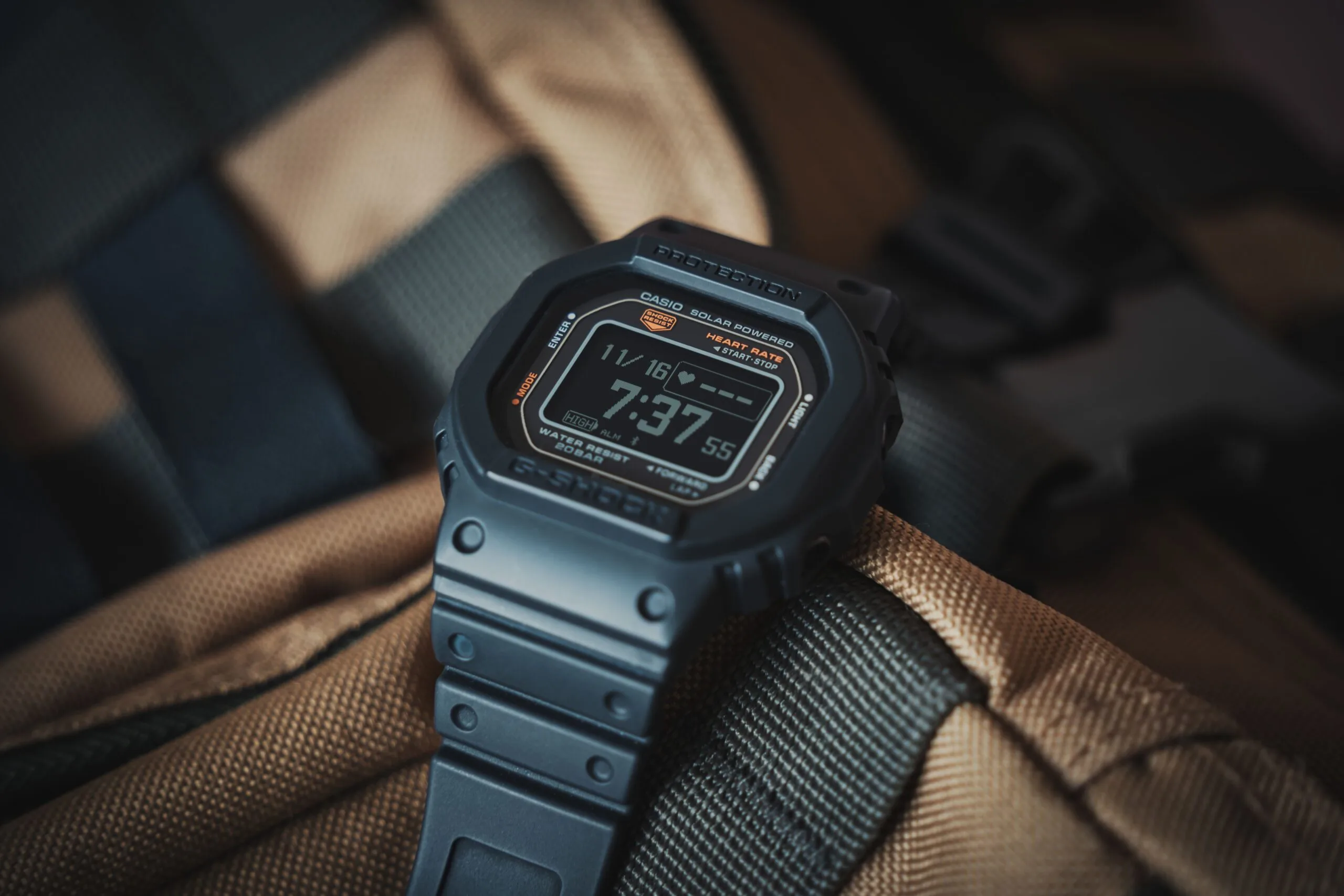
Know Your Case Back Type First
G-Shock models use two different case-back designs, and it affects how much of a DIY job this really is. Most core square and round resin-case G-Shocks use a snap-back or screw-in plastic case back that opens with a simple case knife or opener tool. Premium metal-cased models, like the MR-G or GMW lines, more often use a fully screwed metal case back that needs a proper case wrench with the correct notch spacing. If you’re not sure which you have, check for visible screws around the case back (screw-down) versus a smooth pop-off edge (snap-back).
Whichever type you have, avoid using a flat-blade screwdriver as a substitute case opener, it’s the most common way people scratch or gouge the case back, and a slip can also nick the gasket itself. A proper case knife or wrench set costs little and makes the job cleaner and safer.
Why Water Resistance Is at Risk During a Battery Swap
The seal that keeps water out of a G-Shock comes from a rubber gasket sitting in a groove around the case back. Opening the case disturbs that gasket, and if it isn’t seated perfectly and in good condition when the case is closed back up, the watch can leak even though it looks completely fine from the outside.
What Actually Protects the Seal
- Inspect the gasket before reassembly. If it looks flattened, cracked, or stiff rather than soft and pliable, replace it rather than reusing it. Gaskets are inexpensive and widely available by case reference number.
- Apply a thin layer of silicone grease to the gasket before closing the case. This helps it seat evenly and stay supple, it’s standard practice among watchmakers, not an optional extra.
- Make sure the gasket sits fully in its groove before pressing the case back down. A gasket that’s pinched or partially out of its channel won’t seal properly even if it’s brand new.
- Tighten or press the case back evenly rather than at an angle, so pressure is distributed around the full seal rather than concentrated on one side.
After Reassembly: Confirm It Actually Worked
Don’t just assume the seal is good. A simple visual and dry test at home: submerge the closed watch in a bowl of water for a few minutes and watch for any bubbles escaping from the case, which would indicate a path for water to get in. For genuine peace of mind before regular water exposure, a proper pressure test at a watch shop is inexpensive and far more reliable than the bowl test.
How Often Should You Redo This Check?
A gasket you’ve just replaced with fresh silicone grease doesn’t need re-checking often, but it’s worth running the bowl test again any time you’ve had the case open for another reason, or roughly once a year if you rely on the watch’s water resistance for swimming or heavy sweat exposure. Gaskets degrade gradually with age even without being opened, so this isn’t purely a battery-swap concern.
If your buttons feel stiff or unresponsive rather than dealing with a battery swap, that’s usually a separate, simpler fix, see our guide on G-Shock buttons stuck or unresponsive. For display issues rather than power or sealing problems, check our guide on fixing a faded G-Shock display.
Does Replacing It Yourself Void the Warranty?
Generally, yes, if the watch is still under warranty. Casio’s own official guidance states that battery replacement is a charged service even within the warranty period, and recommends leaving it to an authorized retailer or service center rather than opening the case yourself. If your G-Shock is still covered, that’s the safer route. Once it’s out of warranty, replacing the battery yourself carries no such downside beyond the usual water-resistance risk covered above.
Conclusion
The battery swap itself is easy. What actually determines whether your G-Shock stays water resistant afterward is the condition of the gasket, a light coat of silicone grease, and making sure it’s seated correctly before the case goes back together. Skip any of those and the battery change is the least of your worries.