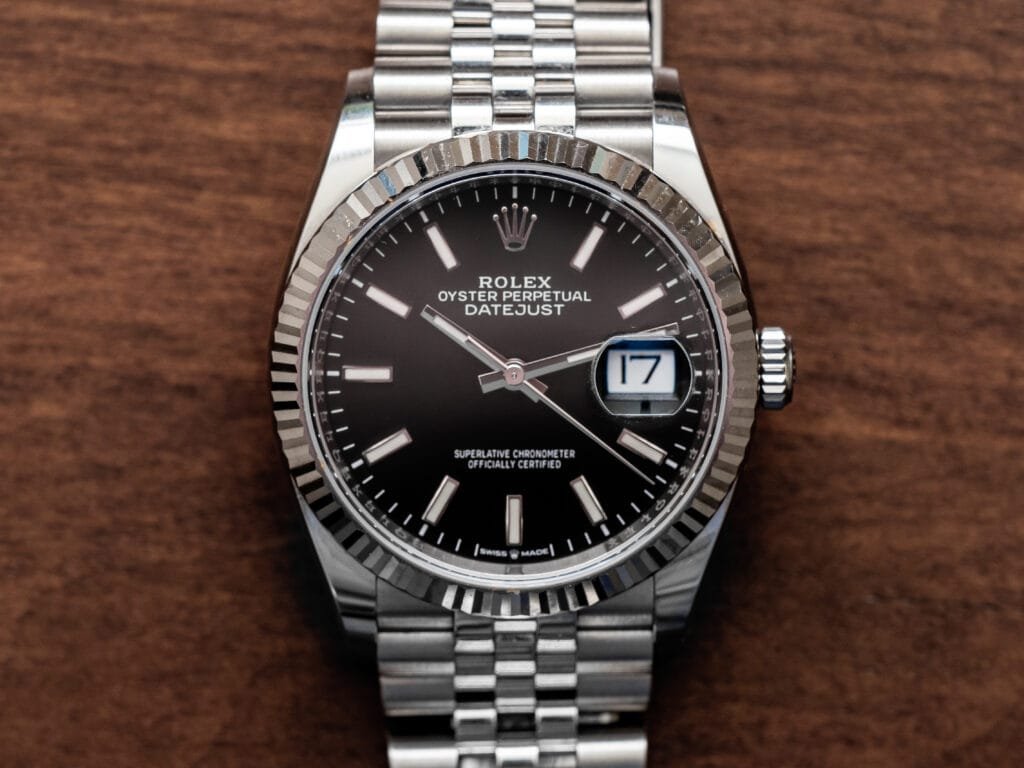
A Rolex date that changes slowly, a little early, or a little late around midnight is, in most cases, completely normal behavior, not a fault. Here’s what’s actually happening, and the one specific thing that can genuinely damage the mechanism if you’re not careful.
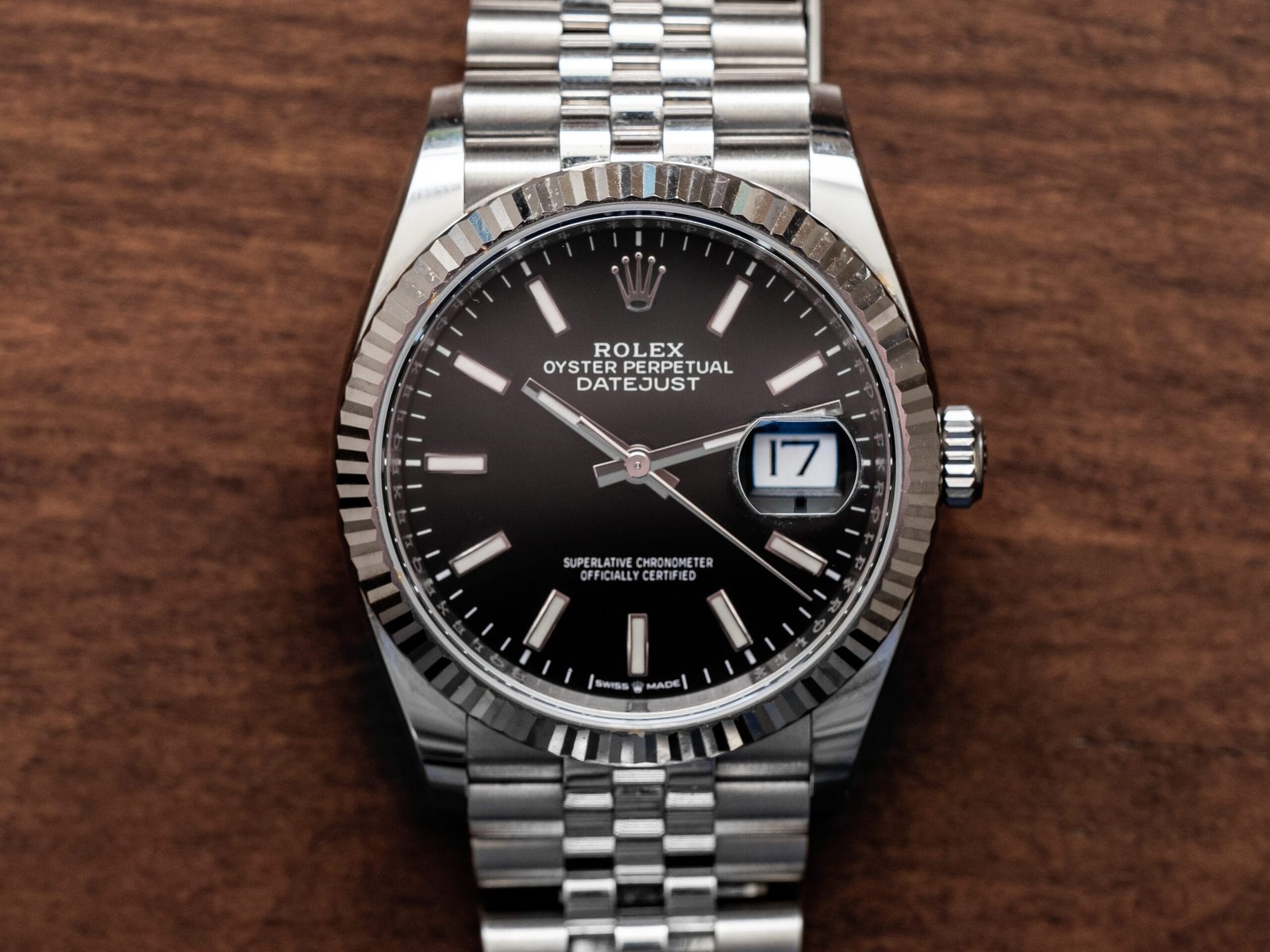
A Slow, Gradual Date Change Around Midnight
Some Rolex date movements change gradually rather than snapping instantly, sometimes taking an hour or more to fully advance to the next number. This is a well-documented, known characteristic on certain models rather than a defect, and it doesn’t affect timekeeping accuracy at all. If you’ve watched it happen and it just seems unusually slow, that’s very likely just how your specific movement behaves.
Date Changes at Noon Instead of Midnight
This is almost always an AM/PM mix-up rather than a mechanical issue. Rolex’s date mechanism is tied to a 24-hour cycle internally, so if the hands were set to the wrong half of that cycle, the date will flip 12 hours off from when it should.
Fix: Advance the time forward through a full 12-hour cycle to resynchronize it. Once the AM/PM is correct, the date will change at true midnight going forward.
The Quickset Danger Zone
On Rolex models with a quickset date, the date wheel and the regular midnight-change mechanism are physically connected. Using the quickset function while the watch is already in the middle of its normal date-change cycle, roughly between 9 PM and 3 AM, forces both mechanisms against each other. This is the one thing on this list that can cause real, lasting damage, worn or broken teeth on the date-change gear.
Fix: Simply avoid using the quickset date function during those hours. If you’ve already forced it during the danger window and now the date won’t advance at all, that’s a job for a watchmaker, not something to keep pushing through.
Date Doesn’t Change at All
If a full 24 hours pass with the watch running and worn, and the date genuinely never advances, that’s different from the slow-change behavior above and points to a real mechanical issue, most often dry or degraded lubrication on the date-change parts, or a worn component.
Fix: This needs a watchmaker’s inspection. It’s often resolved as part of a routine service rather than requiring a specific date-mechanism repair.
If your Rolex has stopped rather than having a date-timing quirk, that’s a different topic, see our guide on why a Rolex Submariner keeps stopping.
Conclusion
A slow or gradually-changing date is normal on many Rolex movements. A date changing at noon is almost always an AM/PM setup issue, fixed by advancing 12 more hours. The one genuine risk is using the quickset function in the 9 PM to 3 AM window, that’s worth actually avoiding. If the date simply never changes despite normal wear, that’s the point to see a watchmaker.