Service intervals get quoted as fixed numbers, but a watch worn daily in humid heat and one that lives in a drawer age very differently. The symptoms below are far more reliable than the calendar, and knowing which ones actually matter saves both unnecessary services and expensive neglect.
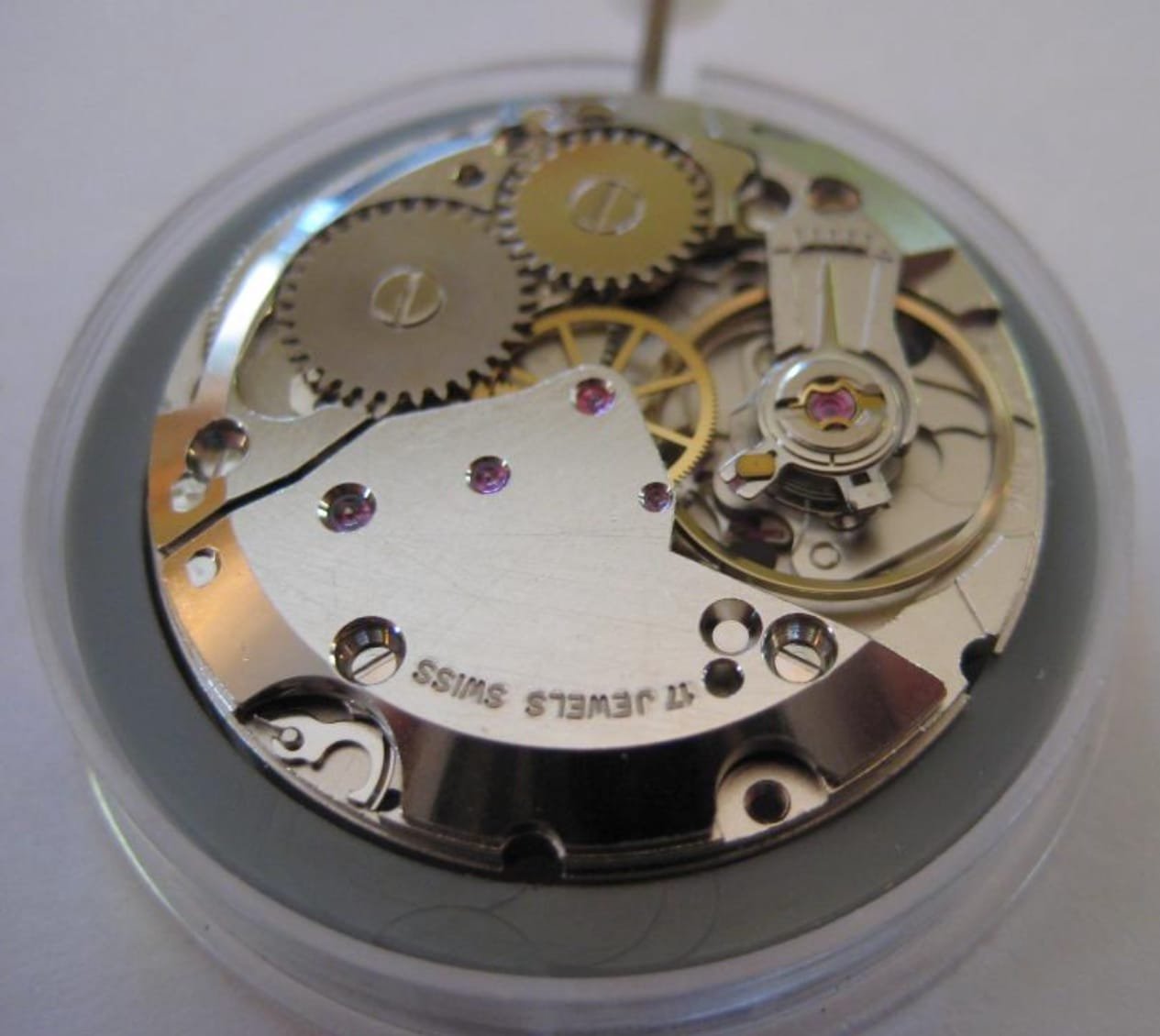
1. Shrinking Power Reserve
This is the single most useful indicator. If your watch used to run two full days off the wrist and now stops overnight, the mainspring is no longer delivering or holding energy the way it should, usually because thickened lubricant is adding friction through the gear train. Note the change, not the absolute number, since power reserve varies enormously between calibres.
2. Timekeeping That Has Drifted and Stayed Drifted
Every mechanical watch has a tolerance, and a few seconds a day is expected. What matters is a consistent shift away from the rate it used to hold. A watch that reliably kept +4 seconds a day for years and is now at -15 has changed internally. Before assuming a service, rule out magnetism, which is far cheaper to fix and produces exactly this kind of rate change.
3. A Dry Zipping or Grinding Sound
Normal rotor noise is a soft whirr or rattle. A dry, zipping, lightly grinding sound is different, and it points to reversing wheels or bearings that have run out of lubrication. This one is a genuine service signal rather than a characteristic quirk.
4. Condensation Under the Crystal
Any fogging means the gaskets are no longer sealing, and moisture sitting against a movement causes rust and corrosion that gets progressively more expensive the longer it’s left. This is the most urgent item on this list, treat it as immediate rather than “next time I’m passing”.
5. A Crown or Pushers That Have Changed Feel
Gritty winding, a crown that’s become hard to turn, or chronograph pushers that feel sticky all point toward degraded lubricant and hardened gaskets. Since gaskets are replaced during a full service anyway, this often coincides with the watch being due.
What the Intervals Actually Are
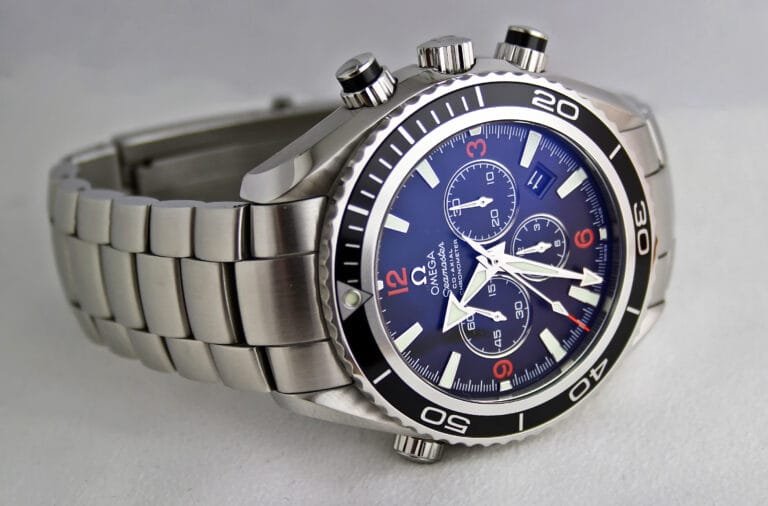
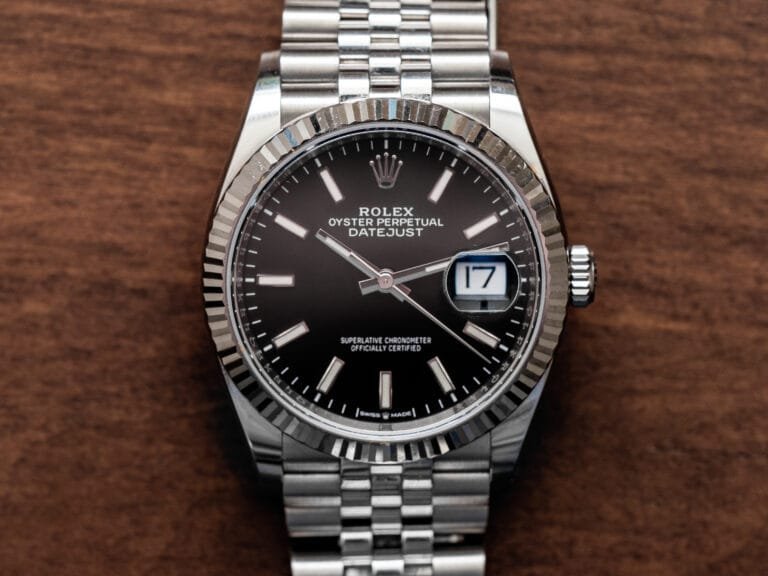
As a rough frame rather than a rule: the general industry guidance sits around 3 to 5 years, Rolex suggests roughly 10 years, and Omega quotes 5 to 8 years for Co-Axial calibres. The spread is wide because escapement design genuinely changes how fast lubricants degrade. Your own watch’s manual is a better guide than any general figure.
Why Waiting Costs More
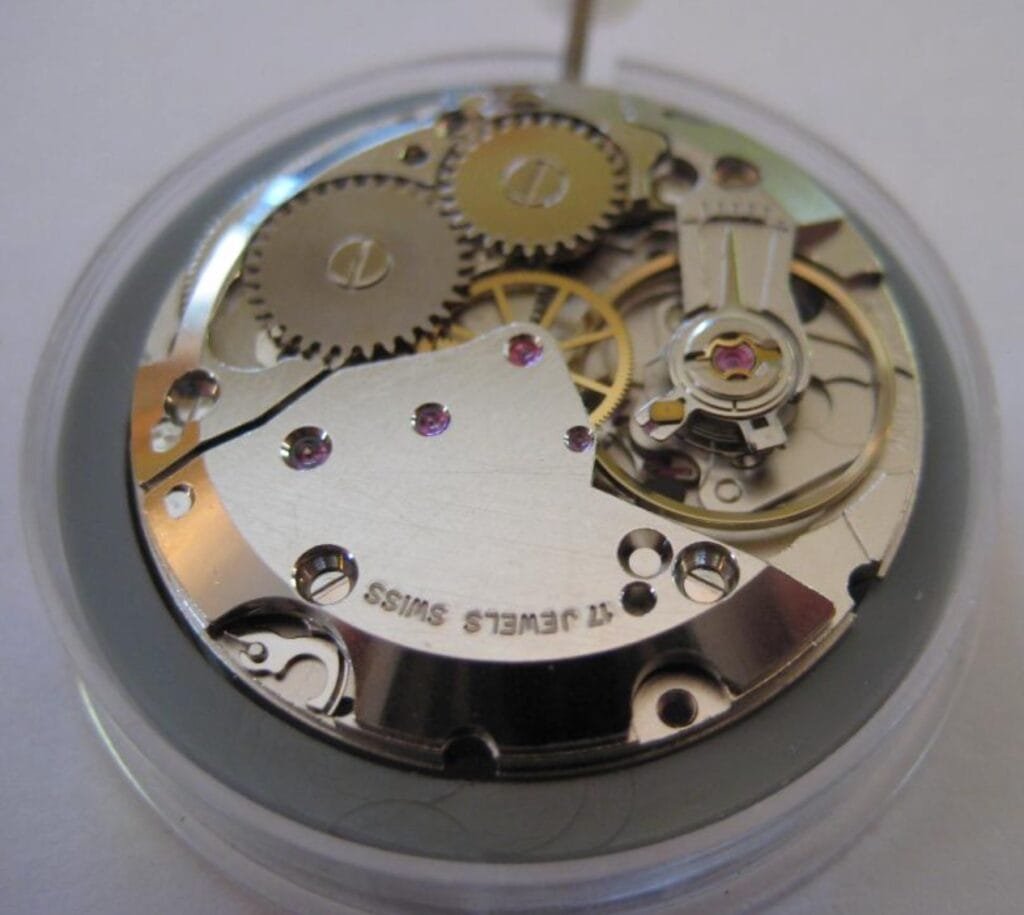
Lubricants don’t simply stop working, they thicken and turn abrasive. Once oil has degraded far enough, metal pivots start wearing against jewel bearings, and a service that would have been a clean-and-lubricate becomes a parts replacement. Watchmakers consistently note that increased metal-on-metal friction from dried lubricant is what damages pivot holes, which is the expensive outcome regular servicing exists to prevent.
Conclusion
Watch for a shrinking power reserve and a rate that has drifted and stayed drifted; those two catch most cases early. Treat condensation as urgent. And don’t service a watch that’s holding time and power well purely because a number of years has passed. If your watch is stopping early, see our guide on why an automatic stops overnight; for noise specifically, our guide on whether rotor noise is normal; and for getting a stopped watch going again, how many hand-winding turns are safe.
Related Guides
- Why is my Seiko automatic watch losing time?: how to tell a rate change caused by magnetism from one that genuinely calls for a service.