The battery itself has nothing to do with water resistance. Getting to it does. The moment the caseback comes off, the seal that kept water out has been broken, and whether it was properly restored depends entirely on what happened before the back went on again.
What Actually Breaks the Seal
Water resistance comes from rubber gaskets compressed between the caseback, crystal and crown. Opening the case disturbs the caseback gasket, and any of these will leave it leaking:
- The old gasket was reused, and it had already hardened or flattened with age.
- It was pinched or twisted as the back went on.
- It was not greased, so it did not seat evenly.
- Dust or a hair got trapped across it.
- The caseback was not tightened evenly.
Gaskets harden with age regardless, and every opening adds wear. So a watch several years past its last battery change is at more risk even from a careful job.
Signs It Has Been Compromised
- Condensation under the crystal. The clearest sign, and by the time you see it moisture has already been inside long enough to collect.
- Fogging after a temperature change, such as walking from air conditioning into heat, or after a shower.
- Rust spots or discolouration on the dial or hands.
- Erratic timekeeping starting soon after the battery change.
The awkward truth is that the absence of these signs proves nothing. A seal can be compromised with no visible symptom until the first time the watch goes underwater.
Why the Rating on the Dial No Longer Counts
Here is a detail most owners never learn. Ordinary water-resistant watches are covered by the ISO 22810 standard, under which pressure testing is typically done on samples from a production run rather than on every individual watch. Dive watches are different: under ISO 6425, every single watch has to be tested.
Either way, that result describes the watch as it left the factory. Once the case has been opened, the number printed on the dial is a description of what the watch was built to do, not a guarantee of what it does now. Only a new test can tell you that.
How a Pressure Test Works
There are two kinds, and a good watchmaker will often use both.
- Dry test. The watch goes into a sealed chamber and air pressure is changed around it. A sensor on the crystal measures whether the case flexes. A sealed case deforms slightly and springs back; a leaking one equalises and does not. No water touches the watch, which makes it the safe first check.
- Wet test. The watch is submerged under pressure. It is closer to real conditions and some testers let you watch for a stream of bubbles showing exactly where a leak is.
A test typically takes minutes and costs roughly twenty to fifty dollars. Some watchmakers decline to test dress watches rated 30 metres or less, since the test pressure itself can stress seals that were never meant for much.
What to Ask For Next Time
A battery change and a battery change with reseal are two different services, and they are often priced as the same thing. Ask for these by name:
- A new caseback gasket, not the old one refitted.
- The gasket lightly greased with silicone before fitting.
- A pressure test afterwards, and the result.
A kiosk that cannot do all three is fine for a watch that never gets wet. For anything you swim or shower in, it is worth paying the difference.
If You Think It Is Already Leaking
- Keep it away from water completely.
- If there is condensation, do not wait for it to clear. Moisture inside corrodes the movement and marks the dial.
- Take it to a watchmaker who can open it, dry it, replace the gasket and pressure test it.
Caught early, this is usually a gasket and a test. Left for weeks, it becomes a movement repair.
Conclusion
The battery does not void water resistance; an unsealed caseback does. Unless the job included a new greased gasket and a pressure test, treat the watch as not water resistant until someone has proved otherwise.
Related Guides
- TAG Heuer Formula 1 battery life: when a battery is due, and why a dead one should not be left inside.
- Seiko Prospex crown stuck or hard to screw down: the other seal that decides whether a diver stays dry.
- Dive watch fogging and gasket failure: what to do once condensation has already appeared.
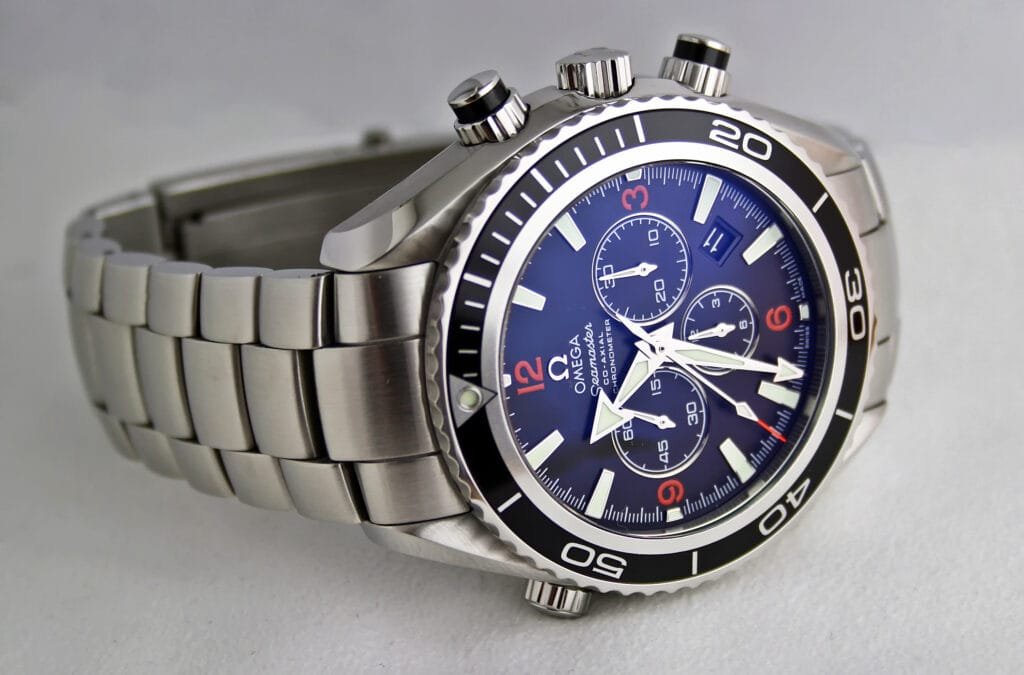
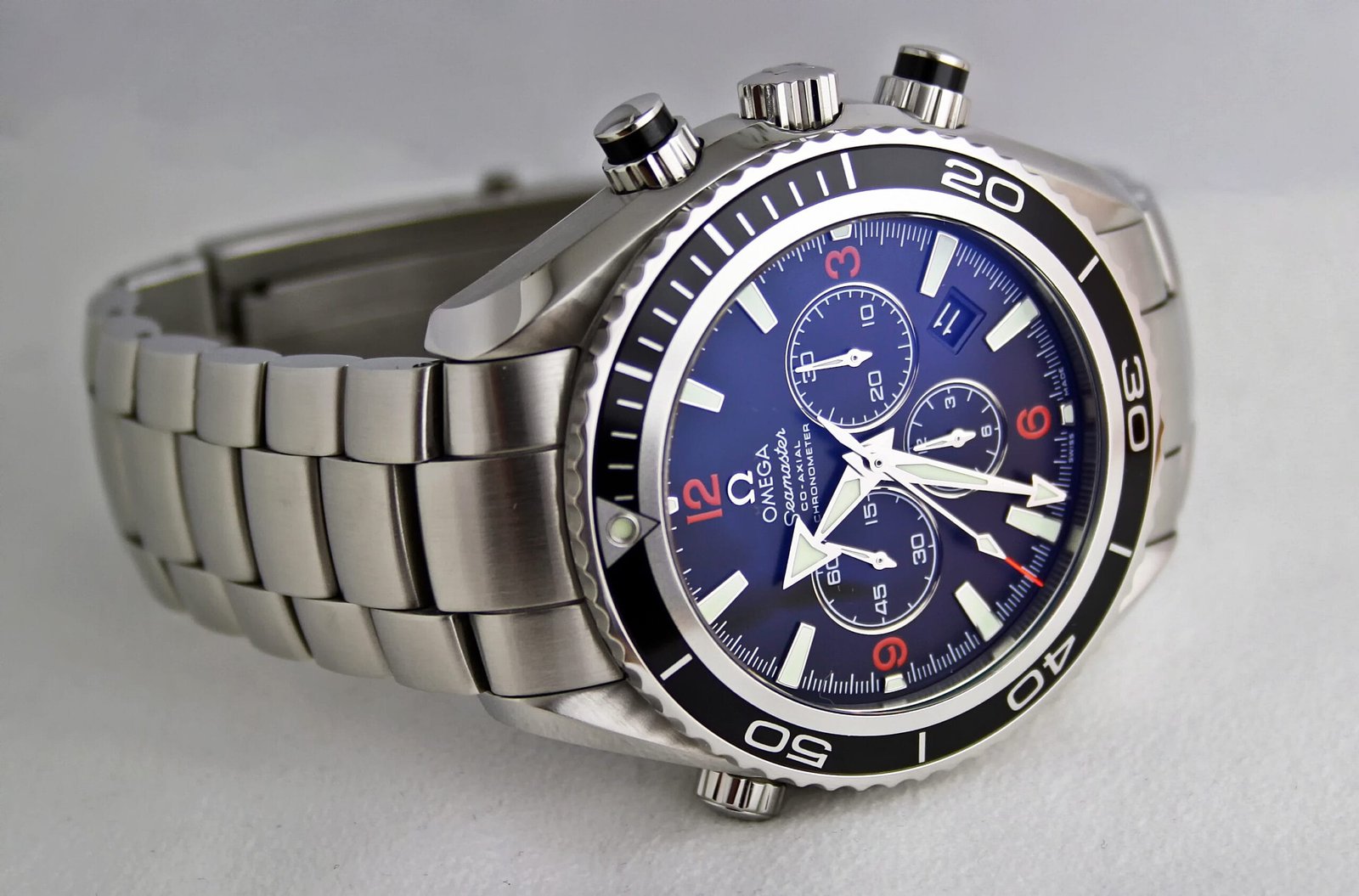
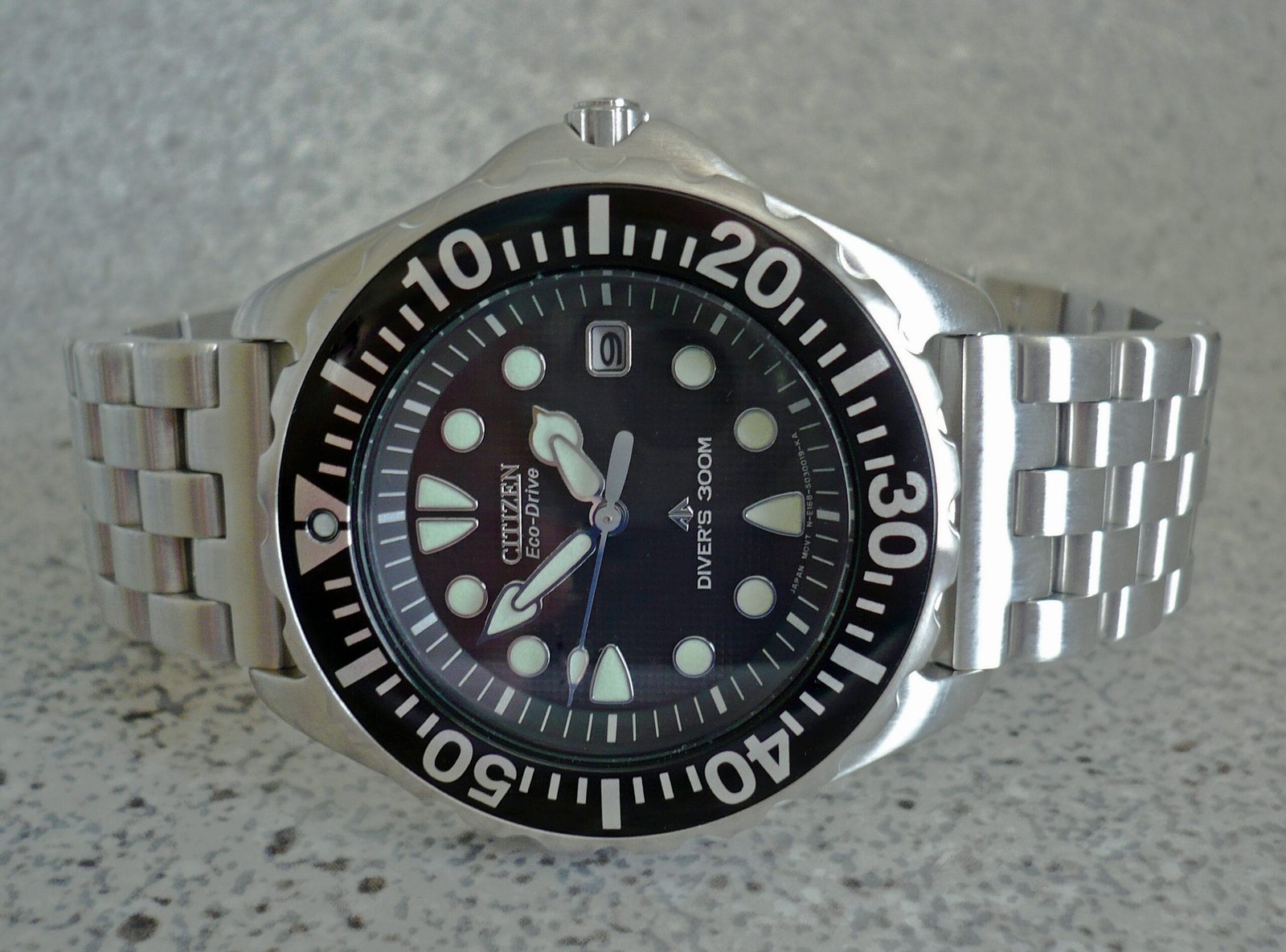
Image credits: Omega Seamaster Planet Ocean and Citizen Promaster via Wikimedia Commons.