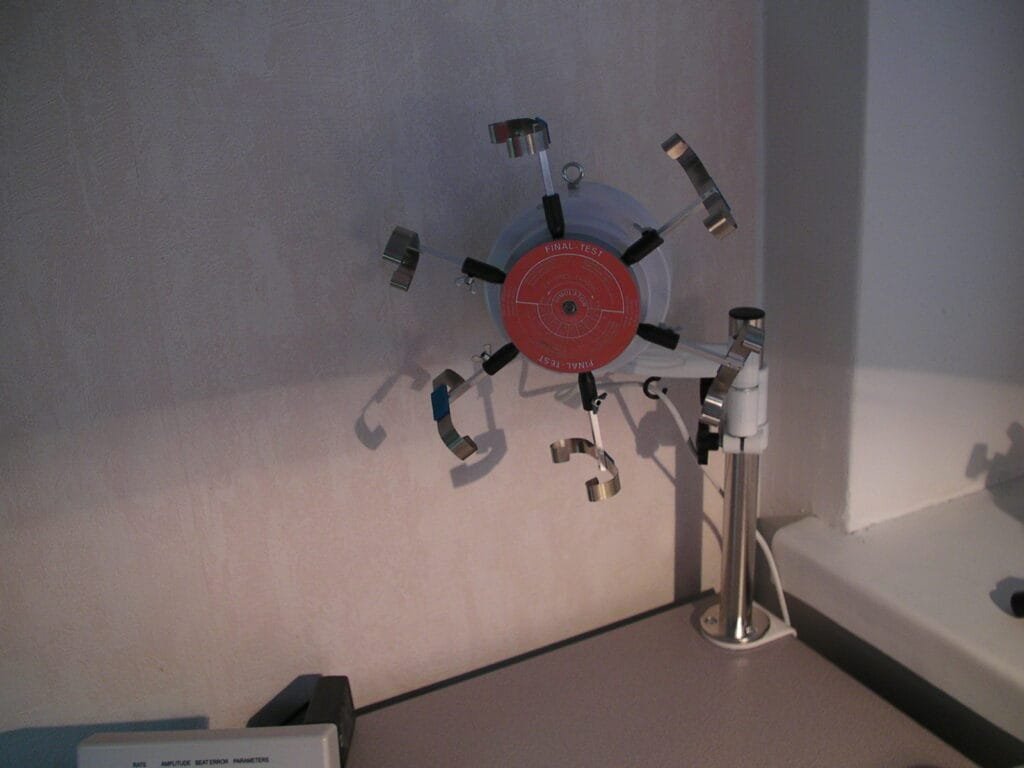
A watch winder does one thing: it moves an automatic watch so the rotor keeps winding the mainspring while it is off your wrist. Whether it works well comes down to two settings most owners leave on the default, and getting either wrong means the watch either runs down anyway or spins for no reason.
This post contains affiliate links. We may earn a small commission if you purchase through them, at no extra cost to you.
What Is Happening Inside
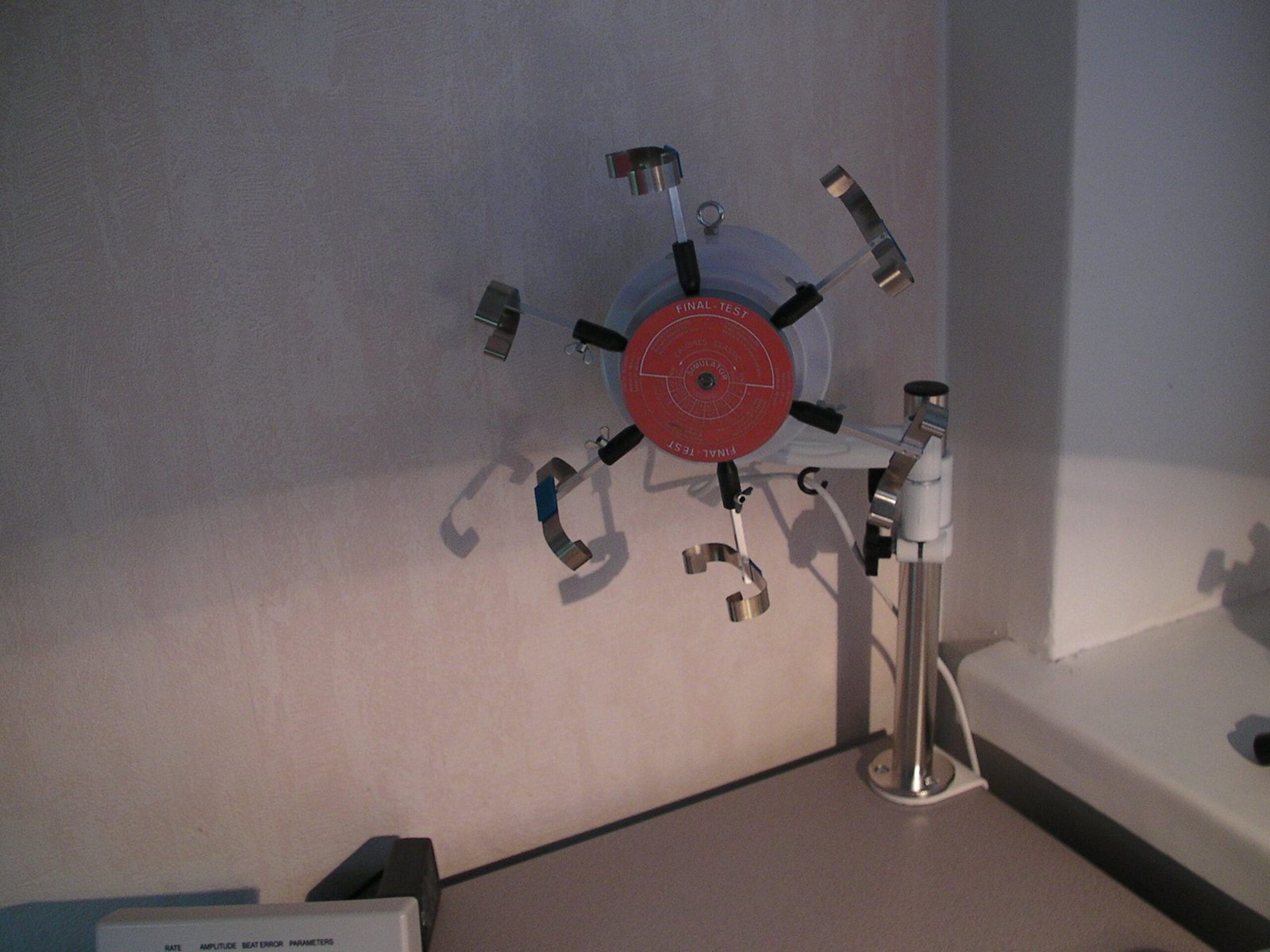
An automatic movement has a weighted rotor that swings as your arm moves. Each swing winds the mainspring a little. A winder simply turns the whole watch so gravity swings the rotor instead of your wrist.
Good winders do not spin constantly. They run in cycles with rest periods in between, which is closer to how a watch is actually worn and avoids pointless turning.
Setting 1: Turns Per Day
Turns per day, or TPD, is how many full rotations the winder makes in 24 hours. Most modern automatics need somewhere between 650 and 800.
- Rolex, modern calibres: about 650, bidirectional.
- Seiko 4R, 6R and NH35 family: 650 to 800, bidirectional.
- Valjoux 7750 chronographs: about 800, one direction only.
The method that beats any chart: start low, leave the watch on the winder for 48 hours, and check it. If it is still running and keeping time, the setting is enough. If it has stopped or is losing time, step the TPD up.
Setting 2: Direction
This is the one that quietly fails. Some movements wind in both directions; others only wind one way, and the rotor just freewheels the other.
- Bidirectional movements include Rolex’s Perpetual rotor and Seiko’s Magic Lever system. Set the winder to bidirectional.
- One-direction movements include the Valjoux 7750 and Miyota 8215. Set the winder to the direction that winds, usually clockwise.
Set a bidirectional programme on a one-way movement and half the rotations do nothing, so the watch gets roughly half the winding you think it is getting. That is the usual reason a watch “runs down on the winder.”
Worth knowing that published charts disagree here. At least one guide lists Rolex as clockwise only, while most sources, and the design of Rolex’s own Perpetual rotor, say bidirectional. When charts conflict, the 48-hour test settles it for your watch.
Can a Winder Overwind a Watch?
No. Automatic mainsprings sit on a slipping bridle that lets the spring slip once it is fully wound, so overwinding is mechanically impossible on a healthy movement.
What too many turns does cause is wear. Every extra rotation is mileage on the winding train and the bridle, for no benefit. That is why the right setting is the lowest one that keeps the watch running, not the highest one available.
Do You Actually Need One?
- One automatic, worn most days: no. Your wrist does the job.
- Several automatics in rotation: useful, so each is ready to wear without resetting.
- A complicated watch, such as a perpetual calendar or moonphase: genuinely worth it, because resetting one after it stops is slow and fiddly.
- A simple three-hand watch you wear occasionally: optional. Letting it stop does it no harm; you just reset the time.
What to Look For in a Winder
- Adjustable TPD and direction. A winder with one fixed setting cannot be matched to your watch, so treat that as a deal breaker.
- Rest cycles, rather than continuous spinning.
- A quiet motor if it lives in a bedroom.
- Enough slots for the watches you actually rotate, not the collection you might own one day.
A single winder with adjustable TPD and direction covers most owners. Before putting a stopped watch on one, give the crown 20 to 30 turns by hand, since a winder maintains a running watch rather than starting a dead one.
Conclusion
Match the direction to your movement first, because a wrong direction halves the winding. Then use the lowest TPD that keeps the watch running through a 48-hour test. A winder cannot overwind a healthy watch, but it can add needless wear, so more turns is never the goal.
Related Guides
- Hand-winding an automatic watch: how many turns is safe?: the manual alternative, and why overwinding is not a risk.
- Why your automatic watch stops overnight: the power reserve problem a winder is designed to solve.
- Automatic watch gaining time only in one position: why resting position affects accuracy, winder or not.
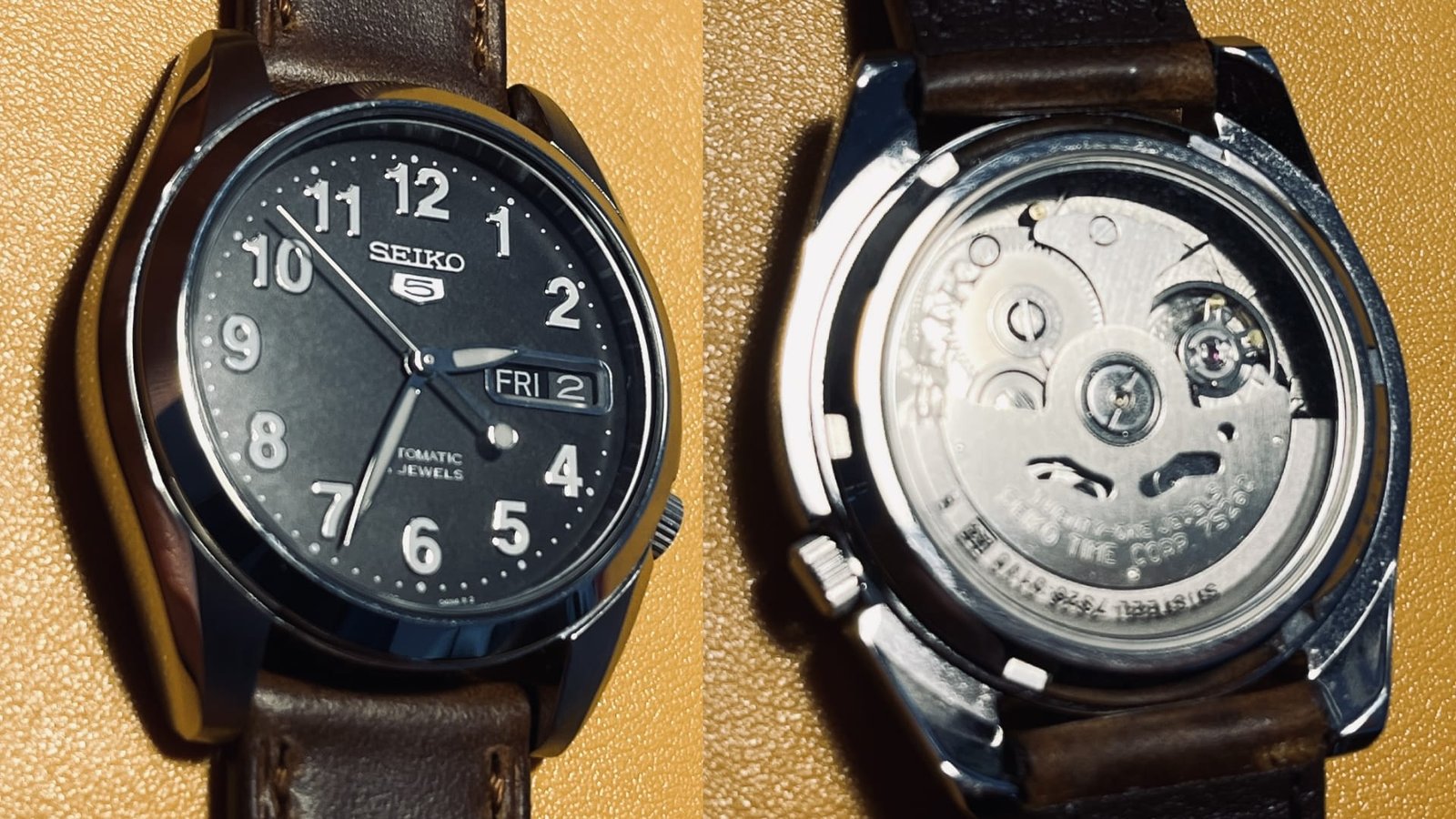
Image credits: Bergeon winder and Seiko movement via Wikimedia Commons. Seiko movement by Racomi, CC BY-SA 4.0.