A foggy crystal on a dive watch is unsettling to see, but it doesn’t always mean a leak. Telling harmless condensation apart from a real gasket failure comes down to two things: whether it clears on its own, and whether you ever see actual water droplets rather than just mist.

Light, Temporary Fog: Often Just Condensation
Moving between hot and cold environments, exiting a cold ocean into warm air, or even the warmth of your own wrist against a cooler crystal, can cause brief condensation on the underside of the glass, similar to how eyeglasses fog up leaving a cold room. If this clears up on its own within a few minutes and doesn’t return, it’s usually residual moisture from manufacturing or a very minor amount that isn’t a sign of an active leak.
Recurring or Persistent Fog: A Real Gasket Concern
If the fog keeps coming back, takes a long time to clear, or shows up regularly after water exposure, that points to an actual gasket problem letting moisture in repeatedly rather than one isolated incident. Water vapor is small enough to work through rubber and polyurethane gaskets over time as they age, even without a dramatic failure.
Visible Water Droplets: Stop and Get It Checked
Mist and actual beads of liquid water are different severities. If you can see distinct droplets rather than a general haze, water has genuinely gotten inside the case, and that needs professional attention soon, moisture left sitting against the movement and dial can cause corrosion and staining that gets worse the longer it’s left.
The Most Common Failure Points
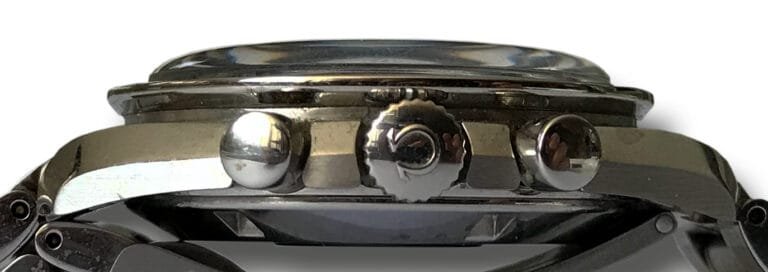
Three gaskets protect a dive watch: the crown gasket, the case-back gasket, and the crystal gasket. The crown is by far the most common point of failure, since it’s operated by hand and its gasket sees the most repeated flexing. The case back is next most common, particularly after a battery change or service where it wasn’t resealed correctly. The crystal gasket rarely fails on its own unless the crystal has been impacted or previously replaced.
A Legitimate Home Test for Light Fog
For light, occasional fogging (not visible droplets), placing the watch in an airtight container with fresh silica gel desiccant packets for 48 to 72 hours can safely draw out trapped moisture. This doesn’t fix a failing gasket, but it does clear existing condensation and buys you time to get the watch properly checked. One thing worth knowing: the popular “bag of rice” trick doesn’t work nearly as well as silica gel for this, professional watch repair guidance is consistent that rice is less reliable and can leave dust residue around the case.
If it’s the rotating bezel rather than the crystal or case giving you trouble, see our guide on using a dive watch bezel.
Conclusion
One-off fog that clears quickly usually isn’t a leak. Fog that keeps returning, or actual water droplets, means a gasket needs attention, the crown gasket first, then the case back. Silica gel (not rice) can safely clear light condensation while you arrange a proper pressure test and reseal.