Every dive watch manual says to rinse the watch in fresh water after the sea. What most online guides get wrong is how. Seiko’s own instructions are specific: do not run tap water straight onto the watch. Soak it.
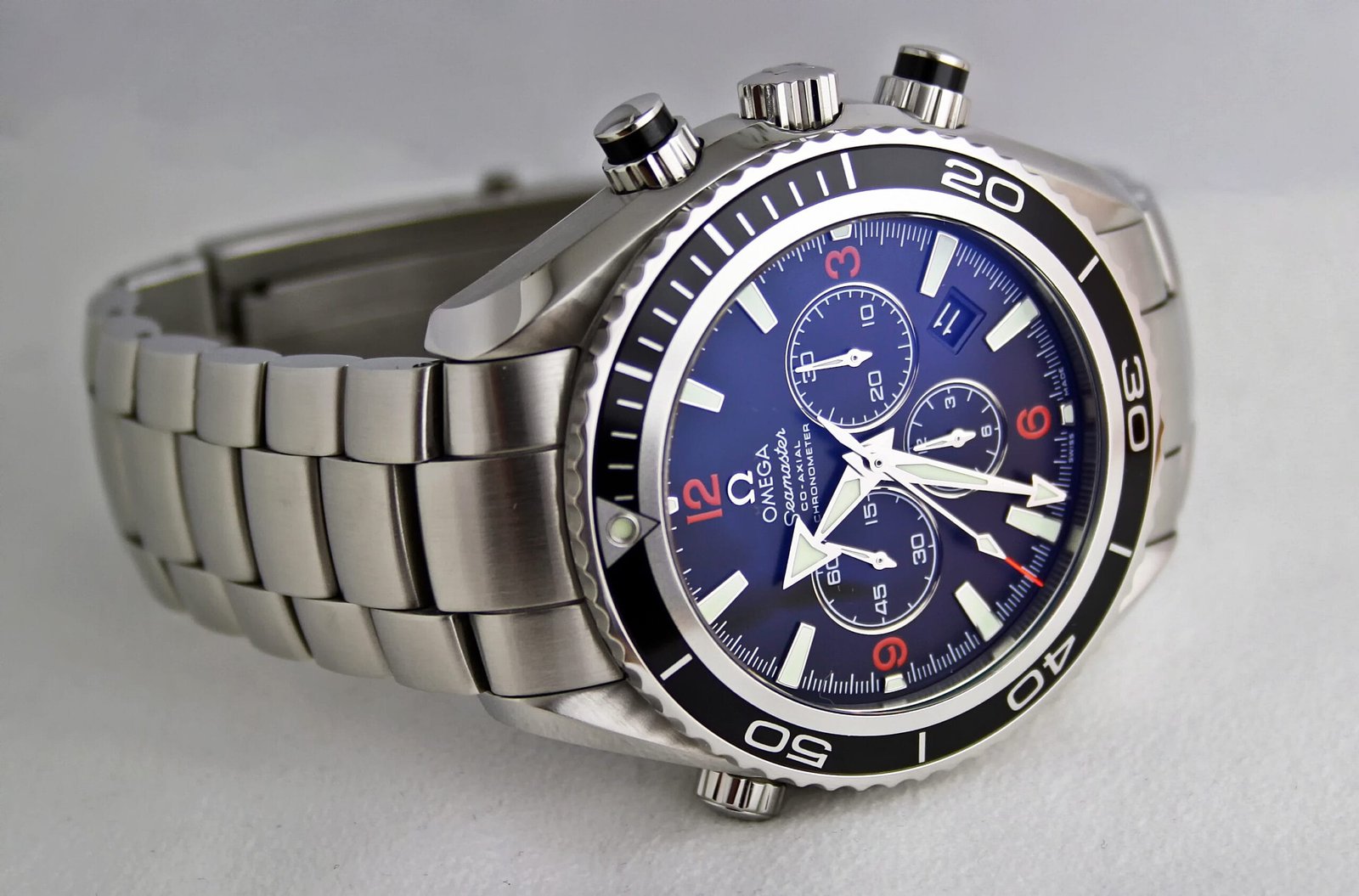
Why Rinsing Matters at All
Seawater does not hurt a sealed watch while it is wet. The damage comes afterwards, when it dries. Salt crystals form in the gaps around the bezel, the crown, and between bracelet links. Those crystals stiffen the bezel, grind against moving parts, and hold moisture against the steel. Sand does the same job faster.
Rolex’s own Submariner guide puts it simply: after wearing the watch in the sea, rinse it with fresh water to remove salt and sand deposits.
The Right Way, Step by Step
- Check the crown is fully screwed down before the watch touches the rinse water. This is the one step that protects the movement.
- Fill a bowl with fresh water at room temperature. Not hot.
- Soak the watch for a few minutes. Seiko’s manual says to put water in a bowl first and soak the watch, rather than pouring running water onto it from a tap.
- Turn the bezel through a full rotation or two while it is submerged. This flushes salt out of the bezel’s click mechanism, which is the part that seizes first.
- Work the bracelet links gently under the water to release sand from between them.
- Dry it thoroughly with a soft cloth. Seiko’s instruction is to wipe it dry to prevent rust.
Why Soaking Beats the Tap
Seiko does not explain the reasoning, but it is easy to see. A tap delivers a concentrated jet at an unpredictable pressure, often warm or hot, aimed straight at the crown and seals. A bowl gives you gentle, even contact at a steady temperature, and the salt dissolves out on its own.
It is also gentler on any watch whose seals you are not completely sure about.
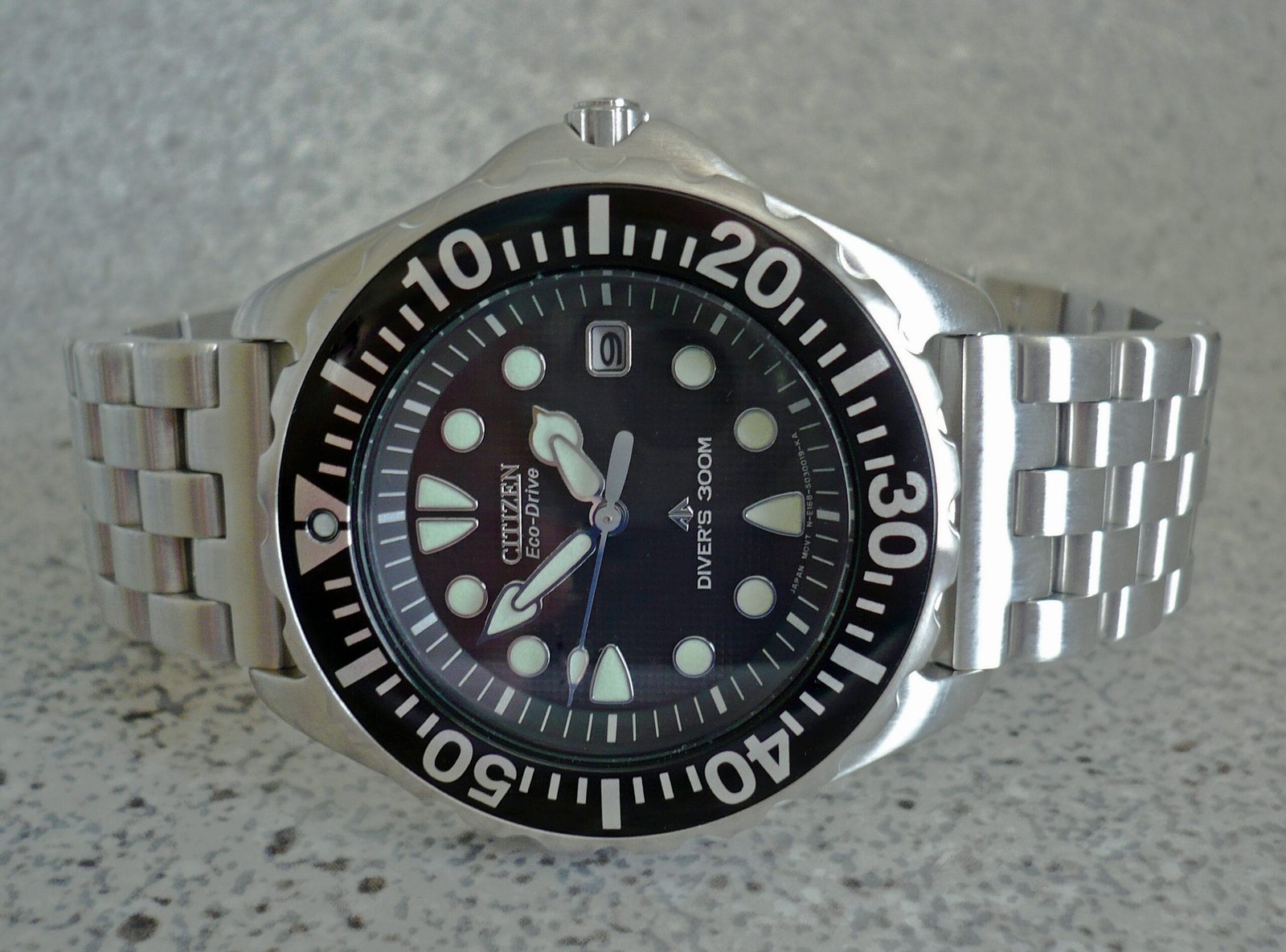
What Not to Do
- Never operate the crown while the watch is wet. Both Seiko and Grand Seiko warn that water may get inside. Wait until it is dry before setting the time or date.
- Never press chronograph pushers wet, unless your manual specifically says they are rated for it.
- Avoid hot water. Heat makes seals expand and contract, which is how moisture gets drawn in.
- Do not dry it on a sunny window sill or with a hairdryer. Same reason.
- Skip soap on a quick post-swim rinse. Fresh water is enough. Save mild soap for an occasional deeper clean of the bracelet.
Pools Need It Too
Chlorinated water leaves its own deposits and is hard on gaskets and on gold. The same soak-and-dry routine applies after the pool, not just the sea.
Signs Something Has Gone Wrong
- Condensation or droplets under the crystal that do not clear. Grand Seiko’s manual says to consult a retailer or service centre immediately.
- A bezel that has turned gritty or stiff, which usually means salt has already built up inside.
- Rust spots forming on the case or between links.
Conclusion
Crown screwed down, then a soak in a bowl of fresh, room-temperature water, a turn of the bezel, and a thorough dry. It takes five minutes and prevents the stiff bezels, gritty bracelets and rust that make up most of the damage dive watches suffer at the beach.
Related Guides
- Seiko Prospex crown stuck or hard to screw down: how to seat the crown properly before getting it wet.
- Dive watch lume not glowing like it used to: why moisture damages lume, and how to tell.
- Did a battery change void your water resistance?: check this before trusting an older watch in the sea.
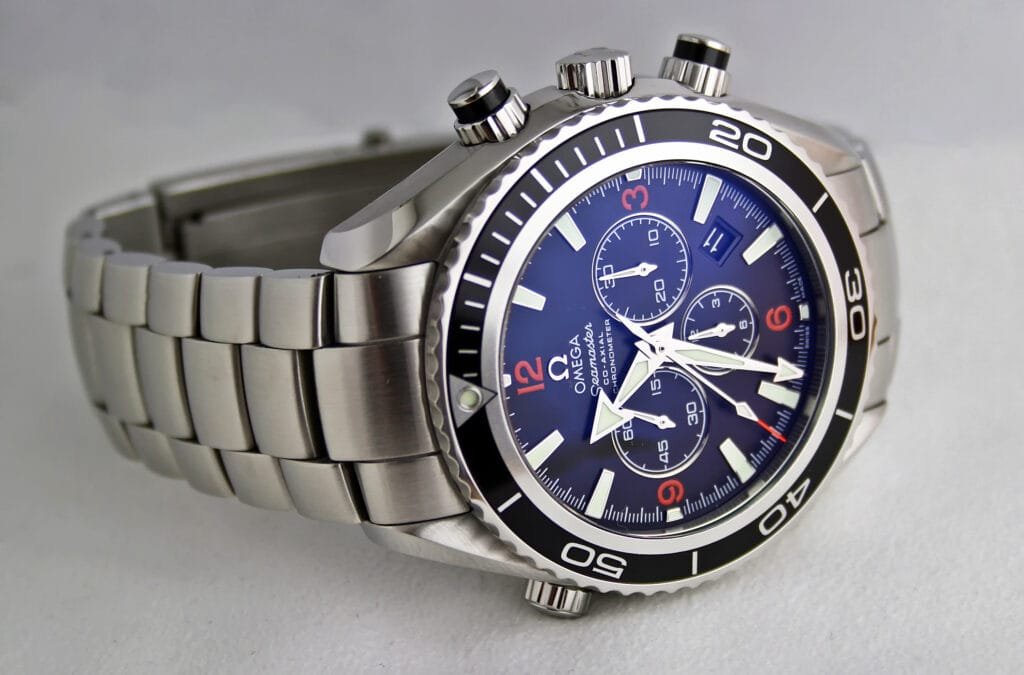
Image credits: Omega Seamaster Planet Ocean via Wikimedia Commons. Citizen Promaster by Francis Flinch via Wikimedia Commons, CC BY-SA 3.0.