Changing a Seiko strap takes about three minutes once you know two things: the exact lug width, and whether your watch needs the thicker spring bars Seiko fits to its divers. Get either wrong and the strap either does not fit or comes off your wrist.
This post contains affiliate links. We may earn a small commission if you purchase through them, at no extra cost to you.
Measure the Lug Width, Do Not Guess It
Seiko is mostly 20mm or 22mm, but the range runs from 12mm to 28mm and models within the same family differ. The SKX007 is 22mm while the smaller SKX013 is 20mm, which catches people out constantly.
Measure the gap between the inside faces of the lugs with a ruler or callipers. Do not measure the old strap, which may have been wrong all along, and do not rely on a forum post about your model.
Once you have the number, shop by it rather than by watch model. Most retailers let you filter straight to 20mm straps or 22mm straps, which covers the majority of the Seiko range and avoids the compatibility guesswork entirely.
The Spring Bar Trap
This is the one that costs people a watch. Seiko fits noticeably thicker spring bars to its dive models than the standard bars sold with most aftermarket straps. Fit a standard bar to a Prospex or SKX and it sits loose in the drilled hole, flexes under load, and can release.
If your watch is a diver, buy fat spring bars in the correct width and keep the originals. If your watch is a dress model like a Presage or a Seiko 5, standard bars are correct.
Curved End or Straight End
Many Seiko dive models use curved end straps that follow the case profile. A straight-end strap will physically fit, but it leaves a visible gap at the lugs that looks like a mistake rather than a choice.
Check what came off the watch. If the end pieces are shaped to hug the case, order curved. If the strap end is flat, straight is right.
Quick-Release or Traditional
Newer straps often have a small lever on the spring bar that lets you swap without a tool at all. Slide the lever, lift the strap out, done. Worth looking for if you expect to change straps often.
Traditional bars need a tool. That is the entire difference, and quick-release bars are just as secure in normal use.
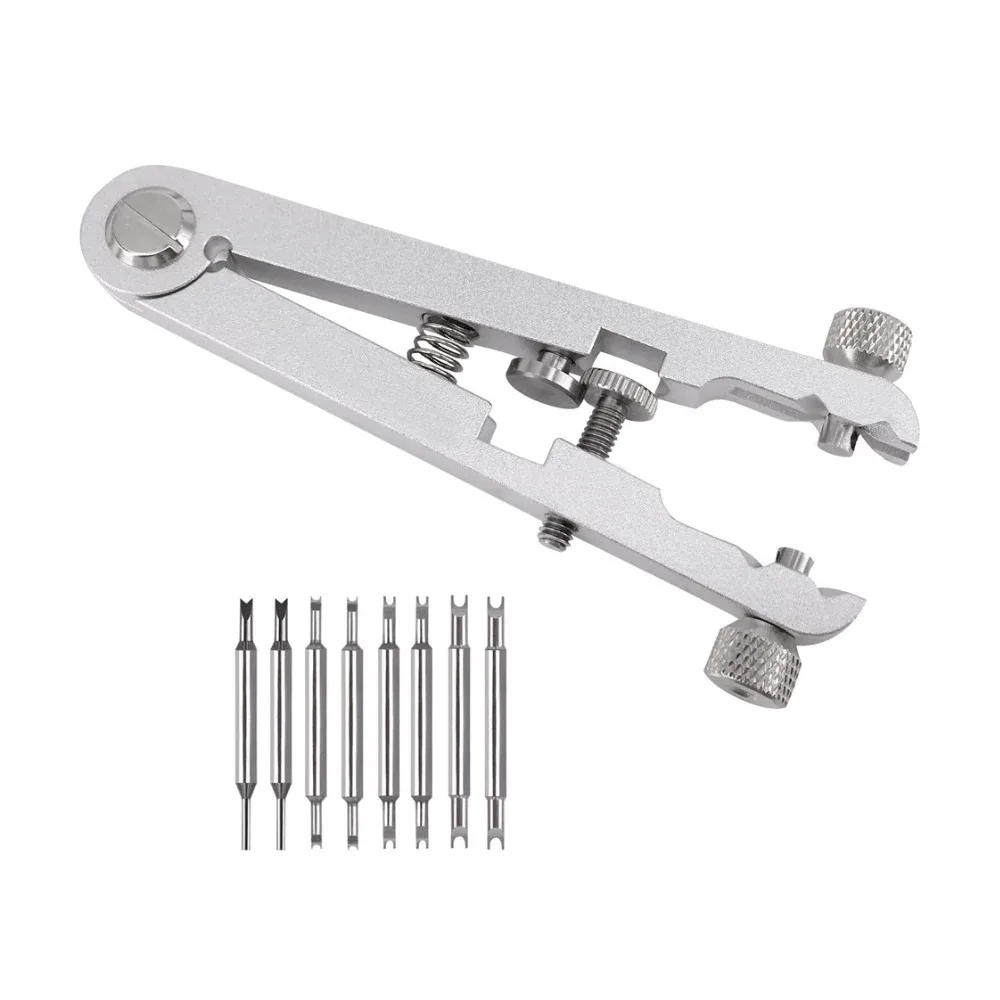
The Swap Itself
- Lay the watch face down on a soft cloth. Every scratch that happens during a strap change happens because the case was on a bare desk.
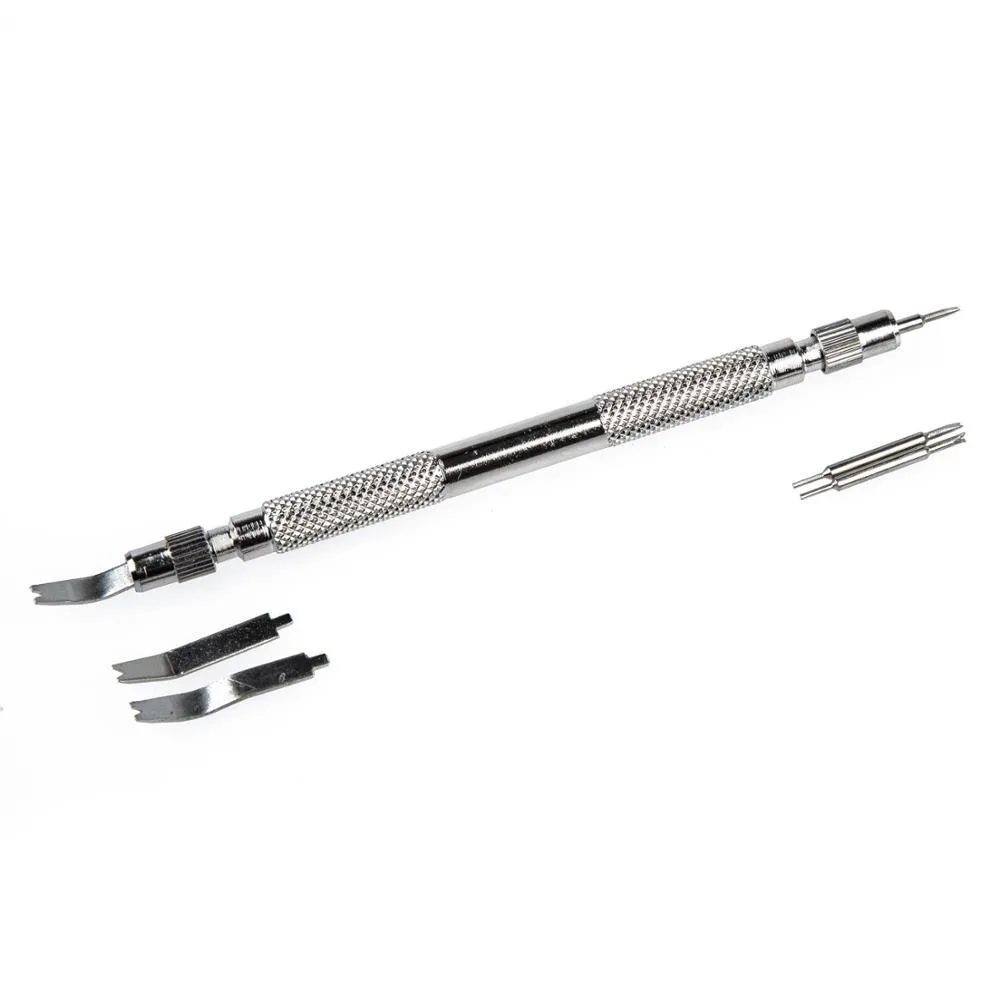
- Slide the forked end of a spring bar tool between the strap and the lug.
- Compress one end of the bar and angle the strap out. Do not lever against the lug itself.
- Fit the new strap by seating one end of the bar in its hole first, then compressing the other.
- Tug the strap firmly in both directions before wearing it. A bar that is not properly seated will feel fine until it does not.
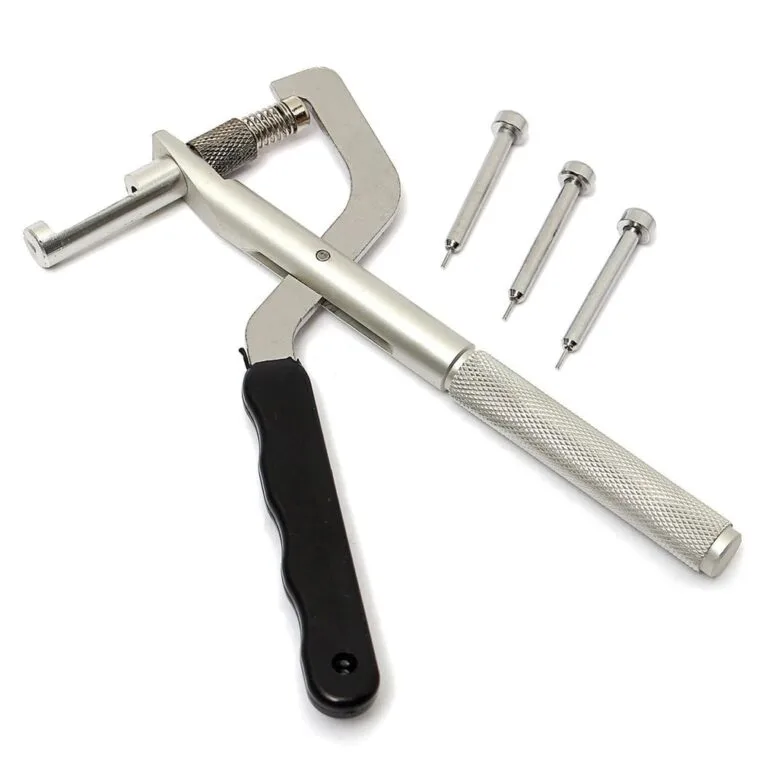
On a watch with no drilled lug holes, plier-type removers compress both ends at once and keep the tool away from the case entirely.
Choosing a Material
- Rubber or silicone. Correct for divers and anything that gets wet. Unaffected by salt water.
- Leather. Right for a Presage or dress model, wrong for swimming. Water breaks down the backing and it will smell. Leather with a rubber backing is a reasonable compromise if you want the look without ruining it in a week.
- Nylon and NATO. Cheap, secure because the bar passes through the strap, and forgiving of a slightly wrong lug width.
- Steel bracelet. Needs resizing after fitting, which is a separate job. Aftermarket Seiko-compatible bracelets in 20 and 22mm usually ship with the link tool included, which is worth checking before you buy one separately.
The Scratch Everyone Makes
The classic Seiko strap change injury is a bright gouge on the inside face of a lug, made when the tool slips off a compressed spring bar. It is unmissable in the light and it is permanent on a brushed case.
Two things prevent it. Use a tool head that actually matches the gap rather than the closest one to hand, and keep your other hand braced against the case so the tool cannot travel if the bar releases suddenly.
Conclusion
Measure the lugs, check whether you need fat spring bars, match curved or straight ends to what came off, and work on a cloth with the right tool head. That covers everything that normally goes wrong, and the job itself is genuinely a three minute one.
Related Guides
- Seiko Presage bracelet sizing: what to do once a steel bracelet is fitted and needs shortening.
- How to regulate a Seiko automatic at home: the other job worth owning a decent tool for.
- Why is my Seiko automatic watch losing time?: worth a read if the watch has been sitting unworn between strap changes.
Image credits: product images via Parts for Watch.