Most quartz Formula 1 batteries last around two to three years, and the three-hand models tell you clearly when one is running out. But before anything else, check that your Formula 1 actually has a battery, because a good part of the range does not.
This post contains affiliate links. We may earn a small commission if you purchase through them, at no extra cost to you.
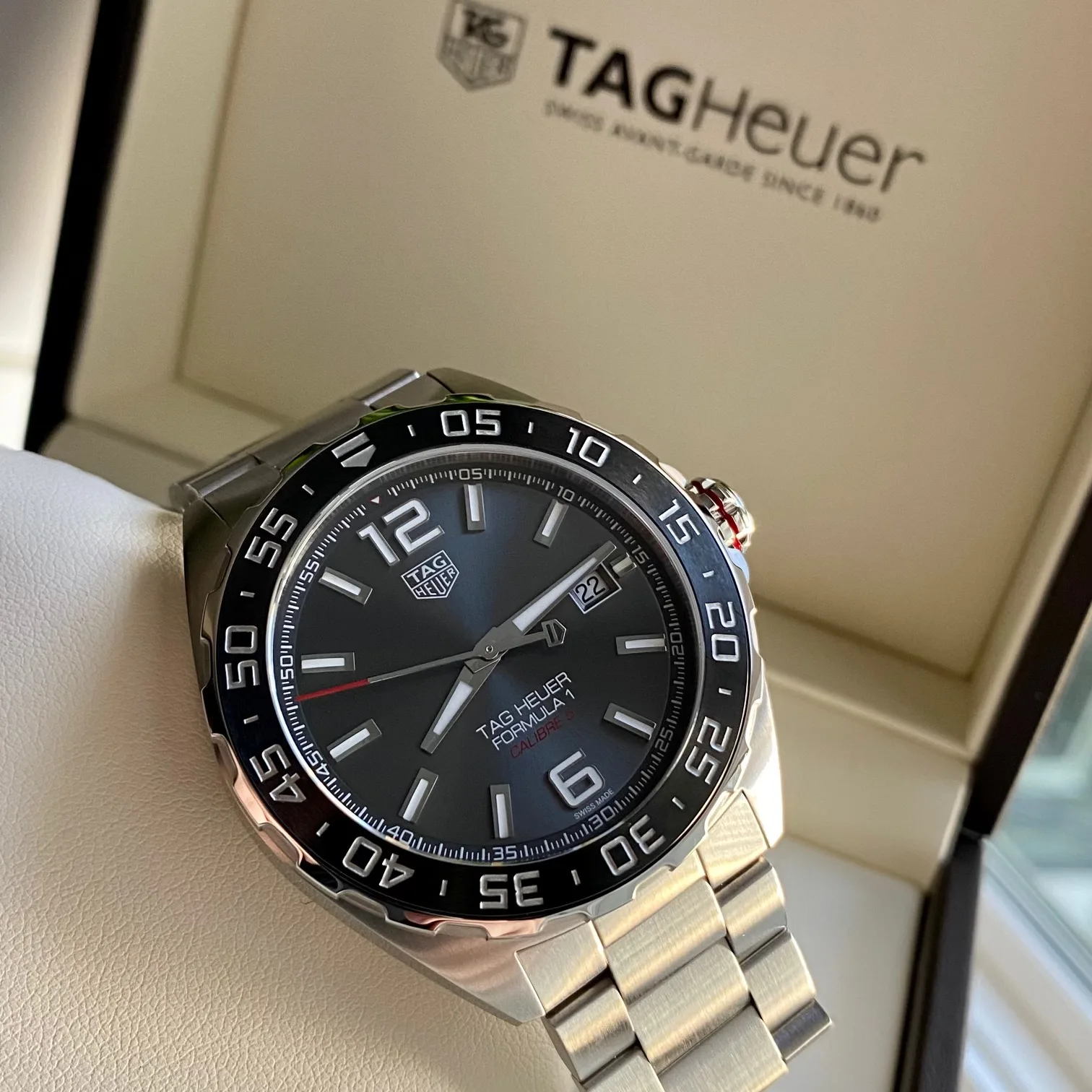
Step One: Does Yours Have a Battery?
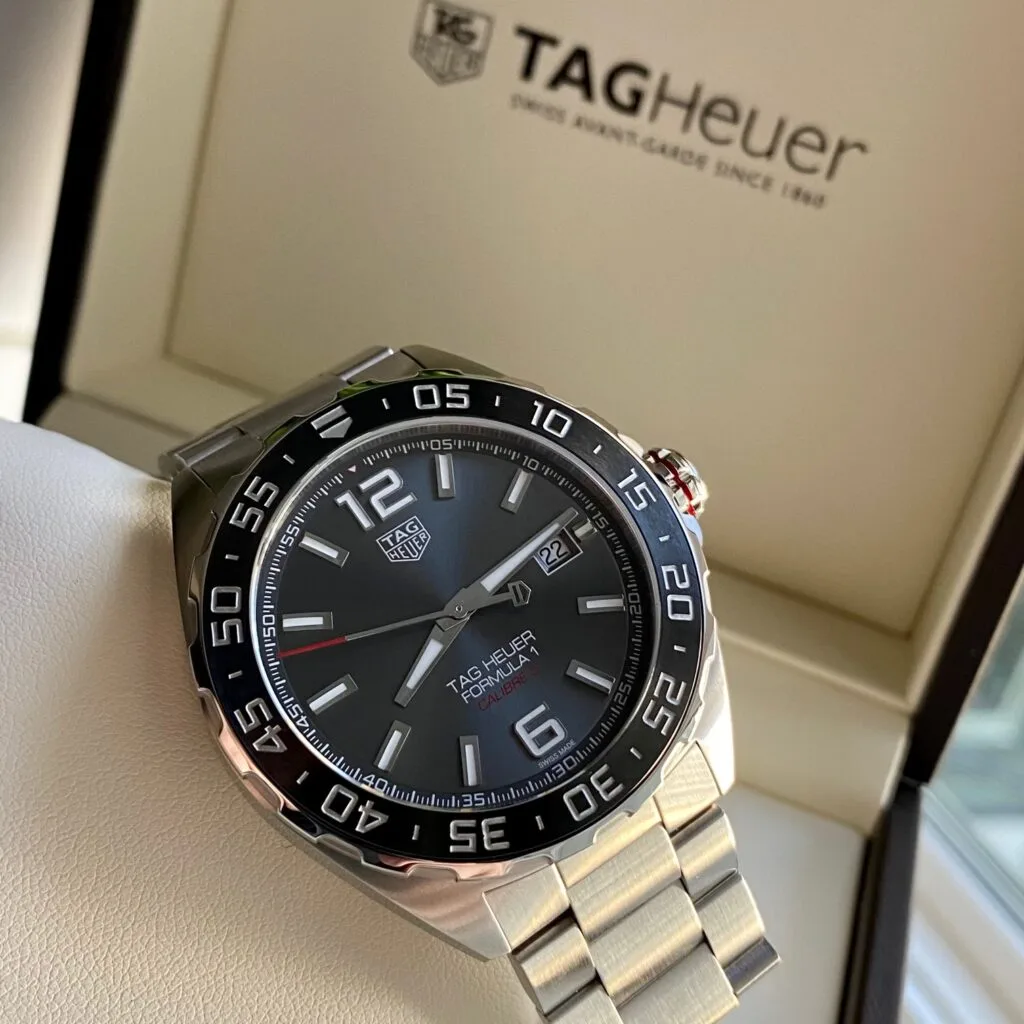
Formula 1 has been TAG Heuer’s broadest collection since it launched in 1986, and it has used a wide mix of movements across its history.
- Quartz three-hand and quartz chronograph: battery powered. This article is for you.
- Calibre 5 and Calibre 7: automatic. No battery. If one has stopped, it needs winding or wearing, not a new cell.
- Solargraph, from 2025: solar powered. It charges from light and should not need a routine battery change.
The word Quartz, Automatic or Calibre on the dial usually settles it. If it says automatic, a battery shop cannot help you.
How Long It Should Last
Two to three years is typical on a three-hand quartz model. Chronographs usually get less, especially if you run the stopwatch often, because the chronograph hands draw extra power every time they move.
The Four-Second Jump
TAG Heuer’s three-hand quartz watches have an end of life indicator. When the battery gets low, the seconds hand stops ticking every second and instead jumps four seconds at a time.
It is a deliberate power-saving mode, and it looks like a fault if you do not know about it. The watch is still keeping time. It is telling you to get the battery changed soon, not that anything is broken.
Chronographs usually do not show this. On a quartz chronograph, the warning signs are more likely to be the stopwatch hands moving sluggishly, failing to reset properly, or the whole watch stopping without much notice.
Do Not Leave a Dead Battery In
This is the costly mistake. A flat battery left inside a watch for months can leak, and the residue corrodes the contacts and the movement around it. At that point a cheap battery change becomes a movement replacement.
If the watch has stopped and you are not going to replace the battery soon, have the old one taken out.
Which Battery It Takes
Many Formula 1 models take a 395, also sold as SR927SW. But not all of them. Owners who have been through several Formula 1 references report two or three different battery types between them.
Do not order by the collection name. Check the reference number on the caseback, or read the code off the old battery once it is out. If your reference does take a 395, a silver oxide SR927SW is the correct cell.
Doing It Yourself, and the Real Risk
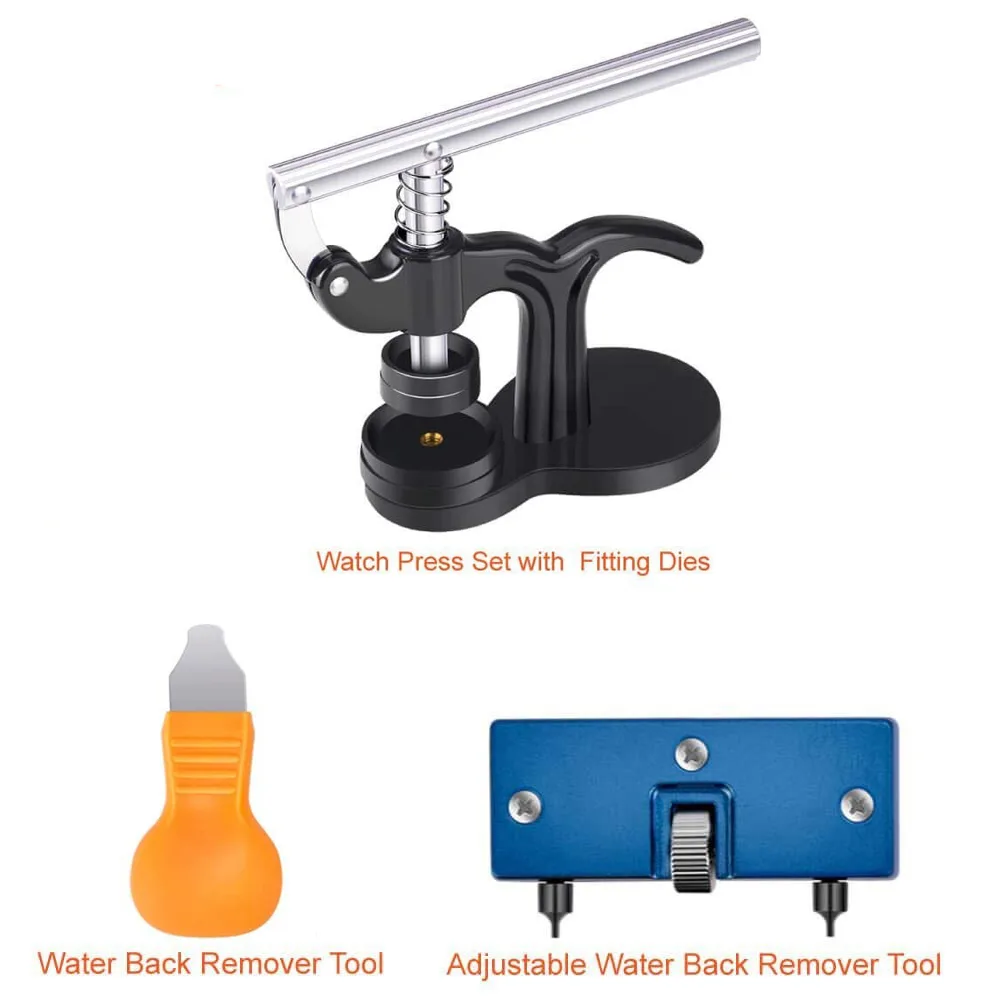
The battery swap itself is simple. Open the screw-down caseback with a proper back case remover, lift the old cell out with plastic tweezers rather than metal ones, fit the new one the same way round, and close it up.
The part that matters is afterwards. Opening the case breaks the seal, and a Formula 1 is sold as a water-resistant sports watch. The caseback gasket should be inspected, ideally replaced, lightly greased and properly seated, and the watch pressure tested before it goes near water again.
If you swim with it, pay a watchmaker who will pressure test it. A home battery change on a watch that stays dry is reasonable. On one you wear in the pool it is a gamble.
Conclusion
Confirm it is a quartz model first. Expect two to three years from a battery, treat the four-second jump as a polite reminder rather than a fault, and never leave a dead cell sitting inside. Change it at home if the watch stays dry; get it pressure tested if it does not.
Related Guides
- TAG Heuer crystal scratches: sapphire vs mineral: the other common repair on a Formula 1, and why older ones used mineral glass.
- Why your TAG Heuer bezel stopped working: when the bezel stops clicking rather than the watch stopping.
- Citizen Eco-Drive cell replacement: how a solar watch’s cell differs from a standard battery.
Image credits: TAG Heuer Formula 1 via Wikimedia Commons. Tool image via Parts for Watch.