A folding clasp that feels loose, doesn’t snap shut with a firm click anymore, or has a bent or worn locking tab is a strap-level issue, not a sign anything is wrong with the watch itself. It’s also one of the simpler fixes on this entire site.
This post contains affiliate links. We may earn a small commission if you purchase through them, at no extra cost to you.
Why Folding Clasps Wear Out
A folding clasp relies on a small spring-loaded locking tab to hold it shut. That tab gets flexed every single time the watch goes on or off the wrist, and over years of daily use, the spring tension gradually weakens. A clasp that used to close with a confident snap starts feeling loose or requires a second attempt to lock. This is ordinary wear, not a defect, and it happens to steel clasps on every brand eventually, not just TAG Heuer.
Signs It’s Time to Replace It
- The clasp pops open unexpectedly during normal wear, not just under force
- You can visibly see the locking tab is bent or doesn’t sit flush
- The clasp feels loose or wobbly on the bracelet even when closed
If any of these apply, it’s worth replacing rather than continuing to wear a watch that might come loose on your wrist.
Replacing the Clasp
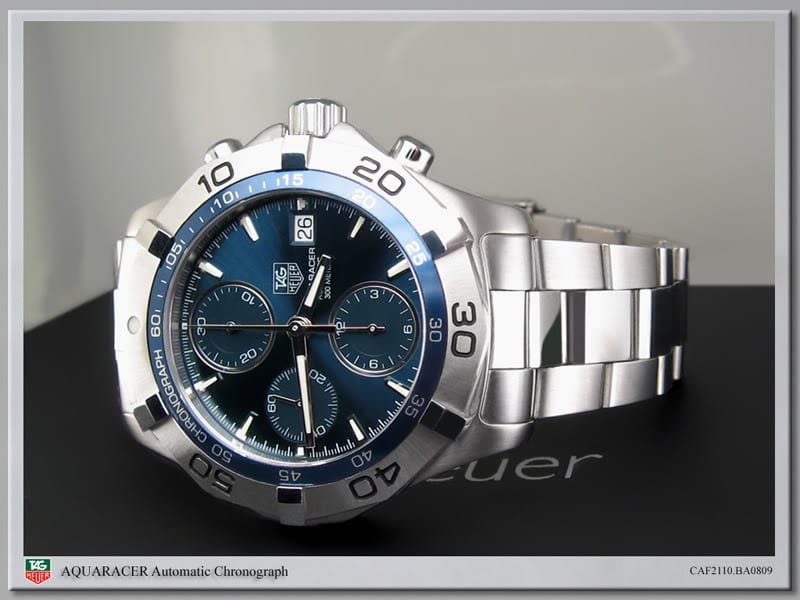
Aquaracer bracelets typically use a standard pin-and-collar or screw attachment to connect the clasp to the bracelet links, the same system used across most of TAG Heuer’s steel-bracelet range including the Carrera and Monaco. A correctly sized replacement folding clasp in the matching width and finish is usually a straightforward swap with a small screwdriver or a spring bar tool, no watchmaker required.
Getting the size right: Check the width stamped on the inside of your current clasp (commonly 18mm, 20mm, or 22mm on Aquaracer models) before ordering a replacement, and match the finish, brushed steel, polished, or black PVD, to the rest of your bracelet.
If the Bracelet Itself Is Loose, Not Just the Clasp
A clasp that closes securely but the whole bracelet still feels loose on the wrist points to worn link pins rather than the clasp. That’s a different repair, usually a link adjustment or pin replacement, and worth mentioning to a watchmaker separately from any clasp work.
If the issue is the chronograph hands rather than the bracelet, see our guide on TAG Heuer chronograph hands misaligned, and for a stiff or gritty bezel, check our guide on a TAG Heuer bezel stuck or not clicking.
Conclusion
A worn folding clasp is normal wear-and-tear, not a sign of a deeper problem, and it’s one of the more accessible DIY fixes on any bracelet watch. Match the width and finish to your bracelet, and it’s usually a simple swap.