Once an Eco-Drive cell has genuinely failed, replacing it is a straightforward job. Ordering the right part is not. There are dozens of Citizen cell variants, several share the same headline name, and one common substitution will not work at all no matter how carefully you fit it.
This post contains affiliate links. We may earn a small commission if you purchase through them, at no extra cost to you.
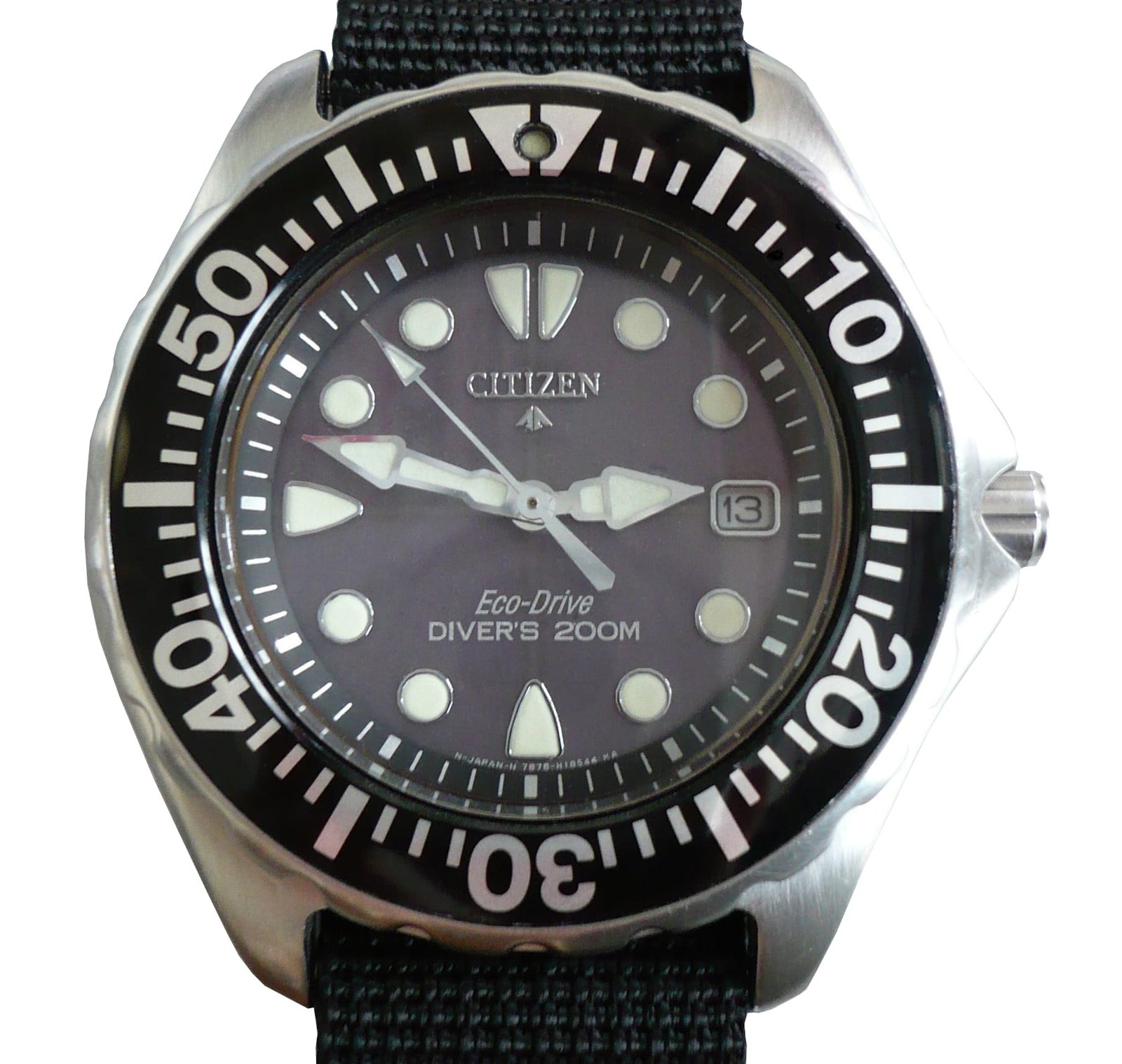
First, Confirm the Cell Is Actually Dead
Do not open the watch until you are sure. The test is simple: put it under a bright lamp. If it runs while the light is on it and stops the moment you take it away, the cell is no longer holding capacity. If it runs on afterwards, you had a flat cell rather than a failed one, and our guide on reviving an Eco-Drive that has stopped charging is the one you want instead.
Cells typically last ten to twenty years. Under five years old, the problem is almost always light exposure rather than the cell.
Find Your Calibre Number
The cell you need is determined by the movement, not by the model or the look of the watch. The calibre is engraved on the caseback, usually as part of a longer code in an XXXX-YYYY format, where the first block is what you want.
Modern calibres are a letter plus three digits: E210, E650, H610, U600M, B740. Older ones are four characters, sometimes with a letter suffix: 7821, 8510A, 0850A.
Why the Cell Name Alone Is Not Enough
Suppliers list these cells by a Panasonic name such as MT920, but there are multiple versions of the MT920, each built with a different connector tab arrangement for a specific movement. A cell with the wrong tabs physically will not connect.
What identifies the part properly is Citizen’s own number, in the form 295-XX or 295-XX00. Some worked examples:
- 295-29, an MT920 for calibres 0850A, 0855A, 0870A and 0875A. Around 9.5mm across and 2.05mm thick.
- 295-5600, an MT920 fitting a long list including 7821, B620, B740, C650, E810 and E811.
- 295-6900, a CTL920 for E210, E260, E270, E600, E610, E650, G900, H610 and U706.
- 295-28, for calibres 8510A and 8627A.
Look your calibre up against a supplier’s capacitor reference chart and buy by the 295 number. Do not buy by the Panasonic name and hope.
The MT and CTL Trap
This is the one that catches careful people out, because the substitution looks officially sanctioned.
Citizen’s older cells are MT types, a manganese lithium titanium chemistry with a nominal 1.5 volts and around 5 mAh. Panasonic later moved to CTL, a cobalt titanium lithium chemistry at a nominal 2.4 volts and around 7.7 mAh. Catalogues list the CTL as the direct replacement for the MT.
It is not, for a home repair. A watchmaker who ordered a genuine Citizen replacement for a calibre B740 received a cell marked Panasonic CTL920, and reported that a CTL will not work in a circuit designed for an MT. The circuit itself has to be changed to suit the higher voltage, which is presumably why Citizen expects these watches to come back for service rather than a parts swap.
So if your watch is an MT-era calibre and the part that arrives says CTL, stop. Fitting it will not revive the watch, and you will conclude the movement is dead when it is not.
Doing the Swap
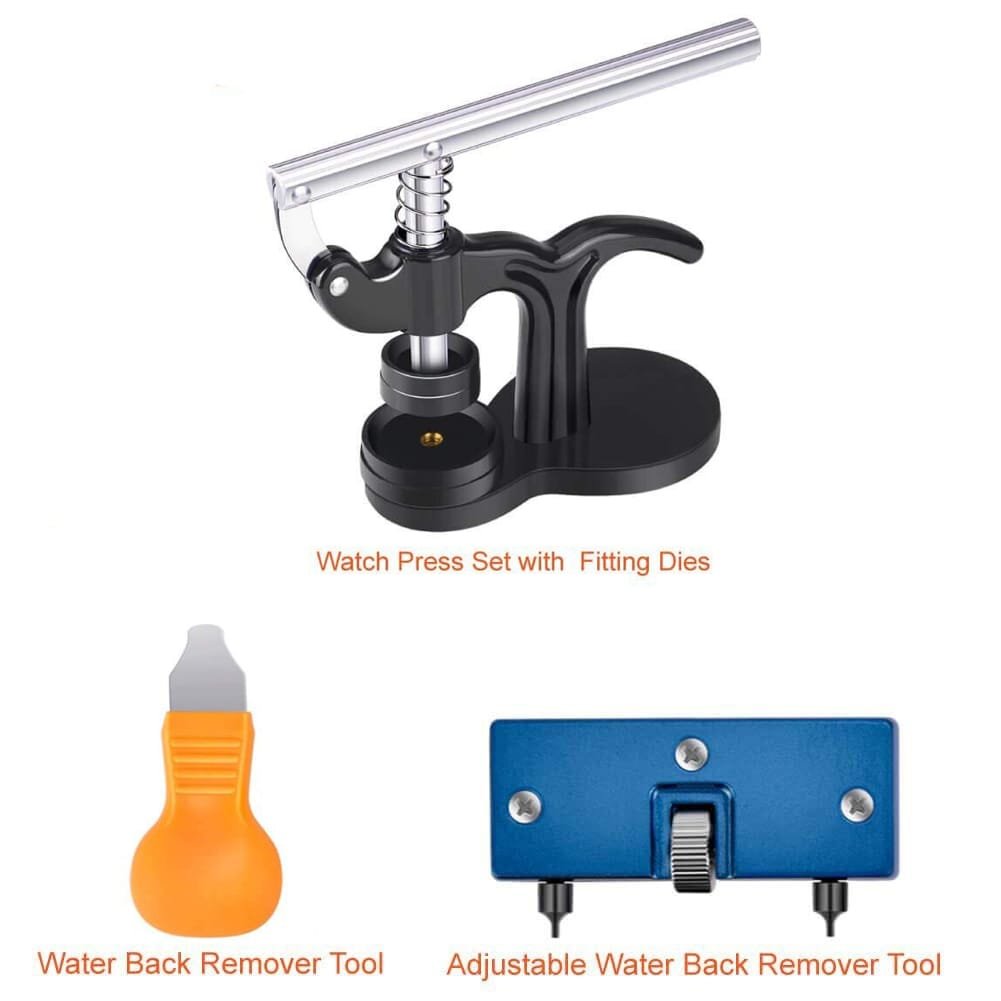
- Open the caseback with a back case remover sized to your caseback pattern.
- Note how the retaining clip and the cell’s connector tabs sit before you disturb anything. Photograph it.
- Use a wooden or plastic pusher, never metal tweezers, anywhere near the circuit board. A slipped metal tool on the coil or the board ends the watch, and that is not an exaggeration.
- Fit the new cell the same way round as the old one and confirm the tabs make contact.
- Perform the all-reset. On most three-hand models, pull the crown to the time-setting position, leave it thirty seconds, push it back in.
- Clean and lightly grease the gasket before closing. Opening the caseback has ended the factory water resistance until you do.
- Give it several hours of strong light before judging whether it worked.
Step 5 is not optional. The integrated circuit latches into a low-voltage error state and does not work out on its own that a healthy cell has arrived. Plenty of successful cell swaps get written off as failures because nobody reset the watch.
When to Hand It Over
Pay a watchmaker if any of these apply: the calibre is a CTL-era part in an MT-era circuit, the watch is a Perpetual Calendar or a radio-controlled or GPS model where the reset sequence is more involved, you cannot confirm the 295 number, or the watch is one you swim with and you would rather a pressure test came with the job.
The cells themselves are inexpensive. The circuit board is not, and it is millimetres from where you will be working.
Conclusion
Confirm the cell is genuinely dead with the lamp test, read the calibre off the caseback, match it to a 295 part number rather than a Panasonic name, and check whether you are being sold MT or CTL. Then fit it with a wooden pusher and remember the all-reset. Done properly this buys another decade or two from a watch that looked finished.
Related Guides
- Why your Citizen Eco-Drive stopped charging: read this first, since most stopped Eco-Drives have a flat cell rather than a failed one.
- Citizen Eco-Drive blinking hand: what the warning means: the warning the watch gives before it stops.
- Casio showing all segments or a frozen display: the same reset logic on a Casio module.
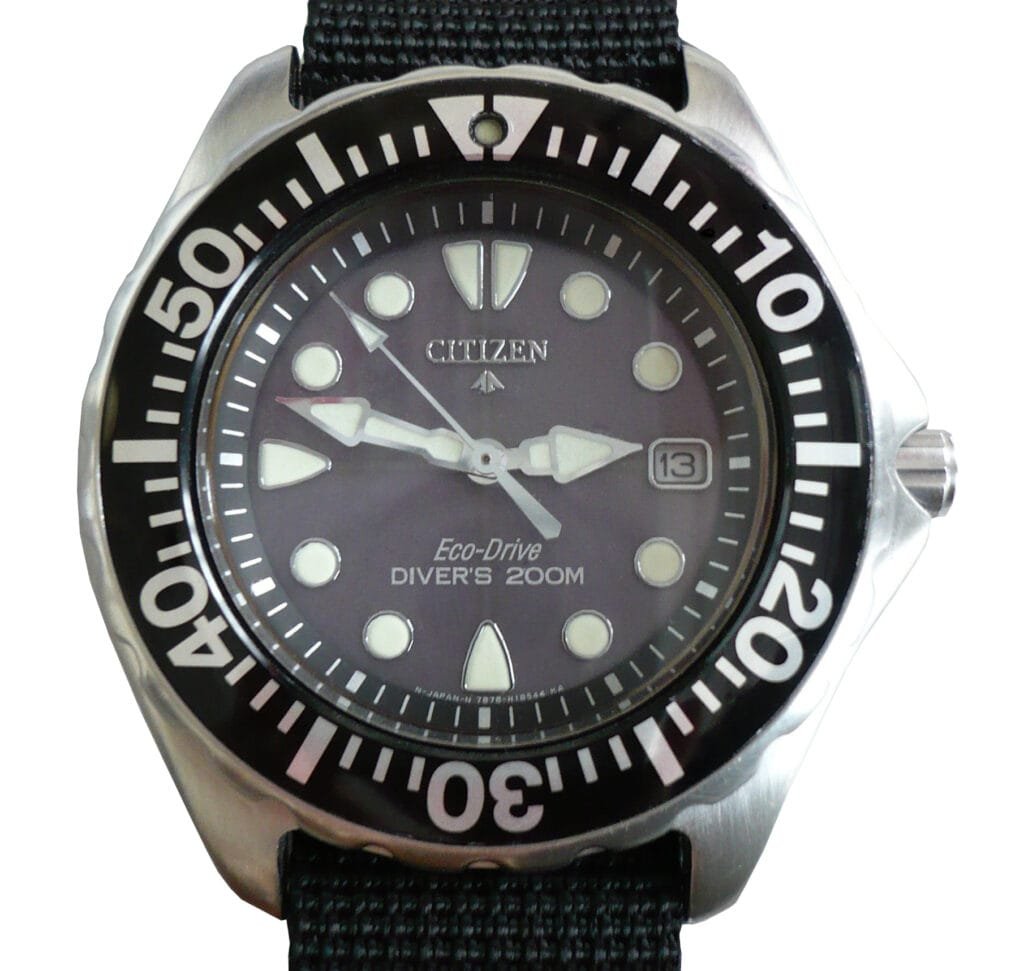
Image credits: Citizen Promaster Eco-Drive photograph via Wikimedia Commons. Tool image via Parts for Watch.