Every watch crystal is a trade-off between two properties that pull in opposite directions. Hardness decides how easily it scratches. Toughness decides how easily it shatters. No crystal material has both, and knowing which one your watch uses tells you what to do the moment it gets damaged.
This post contains affiliate links. We may earn a small commission if you purchase through them, at no extra cost to you.
The Three at a Glance
- Acrylic: Mohs 2 to 3. Scratches easily, almost never shatters, polishes back to clear at home.
- Mineral glass: Mohs 5 to 6. The middle option on both counts. Scratches less than acrylic, can still shatter, and scratches do not polish out.
- Sapphire: Mohs 9. Nearly scratch-proof in daily life, but brittle, so a sharp knock can chip or crack it.
Acrylic, and Why NASA Chose It
Acrylic is a plastic, polymethyl methacrylate. It was the industry standard from the late 1930s until sapphire took over in the 1970s, and it survives today mainly on vintage pieces and heritage reissues.
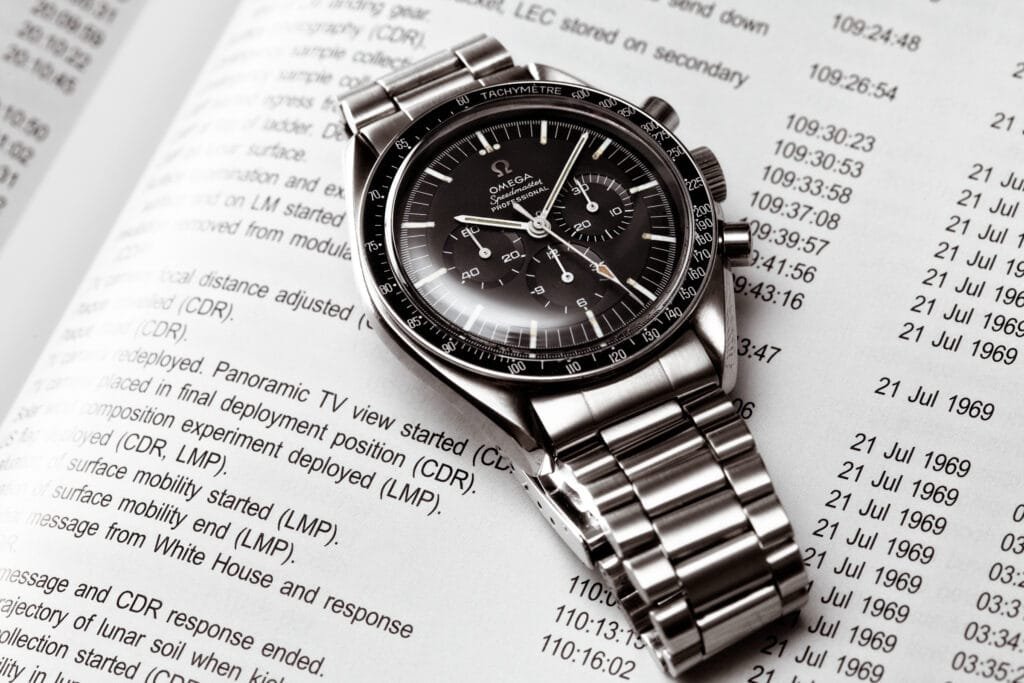
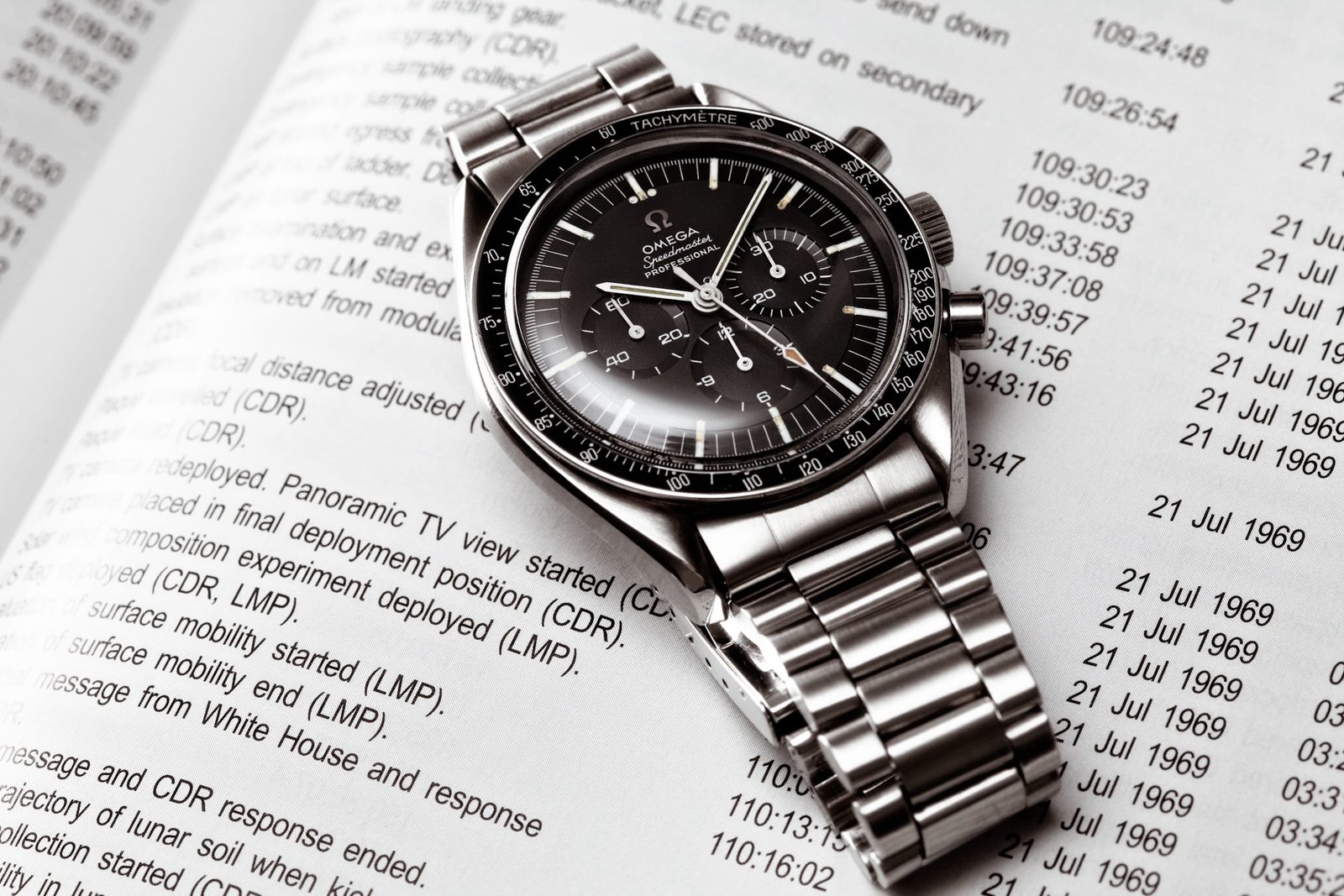
Its weakness is obvious: it scratches from almost anything. Its strength is less obvious and far more important in the right setting. Under impact it deforms and cracks rather than shattering. That is why NASA kept the Speedmaster on acrylic for the Apollo missions: in a spacecraft cabin, a crystal breaking into floating shards was a genuine hazard, and a scratched one was not.
Hesalite is simply Omega’s trade name for its acrylic. Omega still fits it to the standard Speedmaster Moonwatch for that heritage, alongside a sapphire version for owners who would rather not polish.
If yours is acrylic: scratches are genuinely a home job. A plastic crystal polish and a cotton cloth remove most of them in minutes. It is the only crystal type where that is true.
Mineral Glass, Including Hardlex
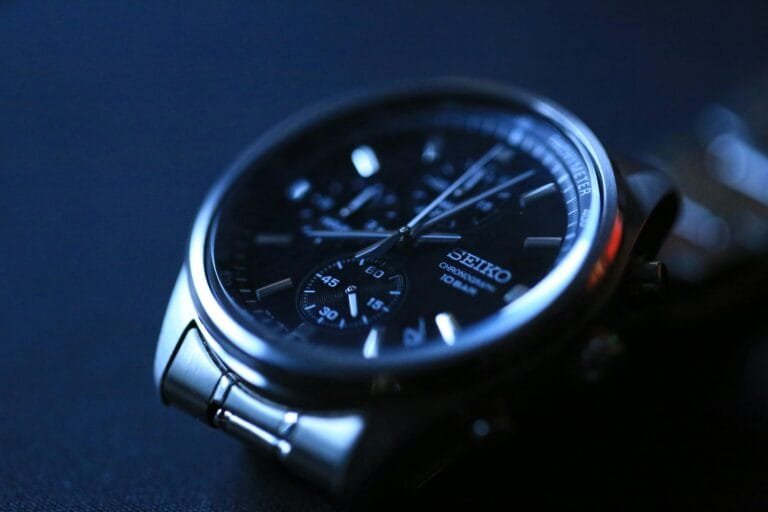
Mineral glass is hardened glass, common on watches under a few hundred pounds. Seiko’s Hardlex is the best-known name, and it is mineral glass given an additional toughening treatment. Better than basic mineral, still not sapphire.
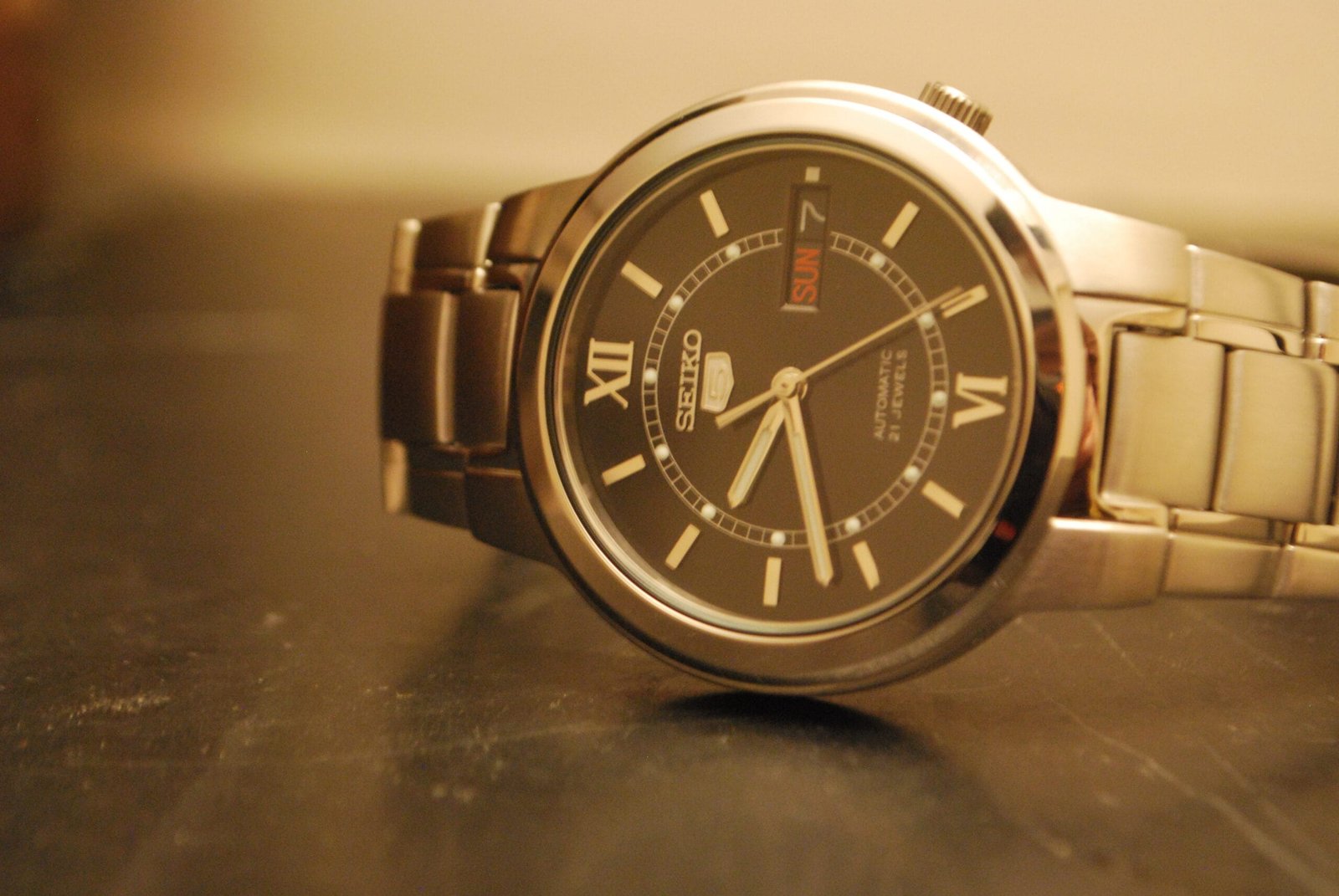
This is where owners most often go wrong. Mineral looks and feels like it should polish, and a scratch on it looks shallow. But unlike acrylic, a real scratch in mineral glass does not buff out. Light surface marks may improve slightly; anything you can feel with a fingernail means a replacement crystal.
Sapphire
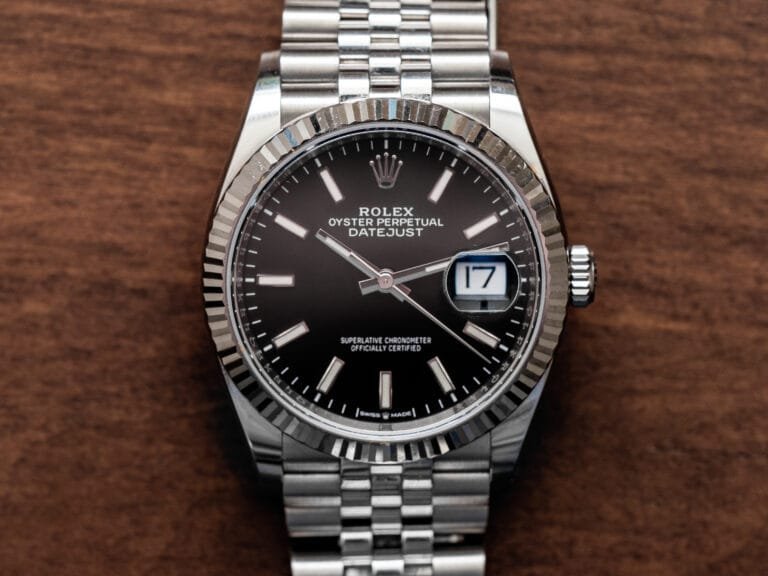
Synthetic sapphire is lab-grown corundum, second only to diamond in hardness. It has existed since the 1930s and became the norm once Rolex moved to it in the 1970s. Keys, coins, steel desk edges and door frames will not mark it, because none of them is hard enough.
The trade-off is brittleness. A hard blow in the wrong spot, such as the edge of a tiled worktop, can chip or crack sapphire where acrylic would simply have dented. And it is more reflective than the others, which is why better watches coat it with anti-reflective treatment. That coating is much softer than the sapphire itself, and it is often what you are actually seeing when a sapphire crystal looks scratched.
How to Tell Which You Have
- Check the specification. The manufacturer’s listing or manual will say, and it is the only certain answer.
- Tap it gently with a fingernail. Acrylic gives a dull, soft tap. Glass and sapphire give a harder click.
- Put a drop of water on it. Sapphire holds a tight bead. Mineral lets it spread flatter.
- Look at the edge. Acrylic is usually domed and thin at the rim. Sapphire is thicker and more often flat.
What to Do When It Gets Damaged
- Scratched acrylic: polish it yourself.
- Scratched mineral: replace it. Polishing will not reach a real scratch.
- Hazy sapphire: suspect the coating before the crystal, and expect a replacement either way.
- Cracked or chipped anything: stop wearing it near water. A cracked crystal is no longer sealing the case.
Whenever a crystal is replaced, insist on a new gasket. A new crystal pressed in against an old seal is how watches start fogging a few months later.
Conclusion
Sapphire for scratch resistance, acrylic for shatter resistance, mineral in between on both. The practical point is simpler: only acrylic polishes out at home. Every other crystal, once properly scratched, is a replacement.
Related Guides
- TAG Heuer crystal scratches: sapphire vs mineral: the same question on a specific brand, including the coating trap.
- Rolex cyclops lens scratched or foggy: sapphire on a magnifier, where polishing distorts the date.
- Omega Speedmaster pushers stiff: the other common complaint on the watch that made Hesalite famous.
Image credits: Vintage Omega Speedmaster and Seiko 5 SNKA23 via Wikimedia Commons, CC BY-SA 2.0 and CC BY-SA 3.0.