Most Rolex bracelets can be resized on your own wrist, with no tools at all. Before anyone removes a link, there are up to three built-in adjustments to work through, and one of them is hidden inside older clasps where almost nobody looks.
This post contains affiliate links. We may earn a small commission if you purchase through them, at no extra cost to you.
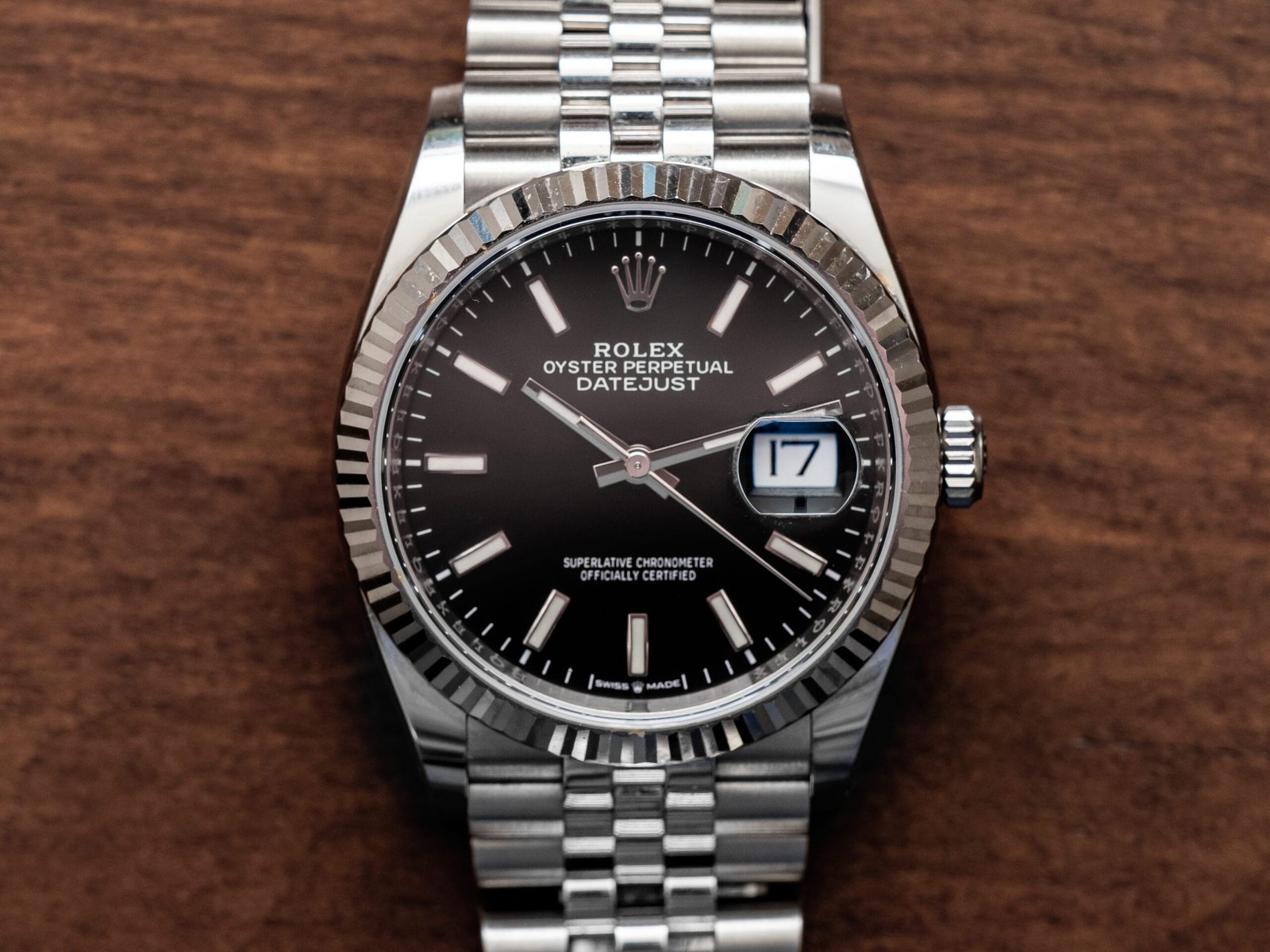
Work Through These in Order
Each step is free and reversible. Link removal is neither, so it belongs last.
1. Glidelock, on sports models
Fitted to the Submariner, Sea-Dweller, Deepsea, GMT-Master II and Explorer II. The clasp head slides along a ratcheted rack inside the clasp housing in 2mm increments, giving roughly 20mm of total range.
Open the clasp, hold the bracelet near it between finger and thumb, and pop the bracelet out of the notch. Slide to the notch you want and press it back down. No tools, and it is designed to be done over a wetsuit, so a shirt cuff is well within its remit.
2. Easylink, on most other modern models
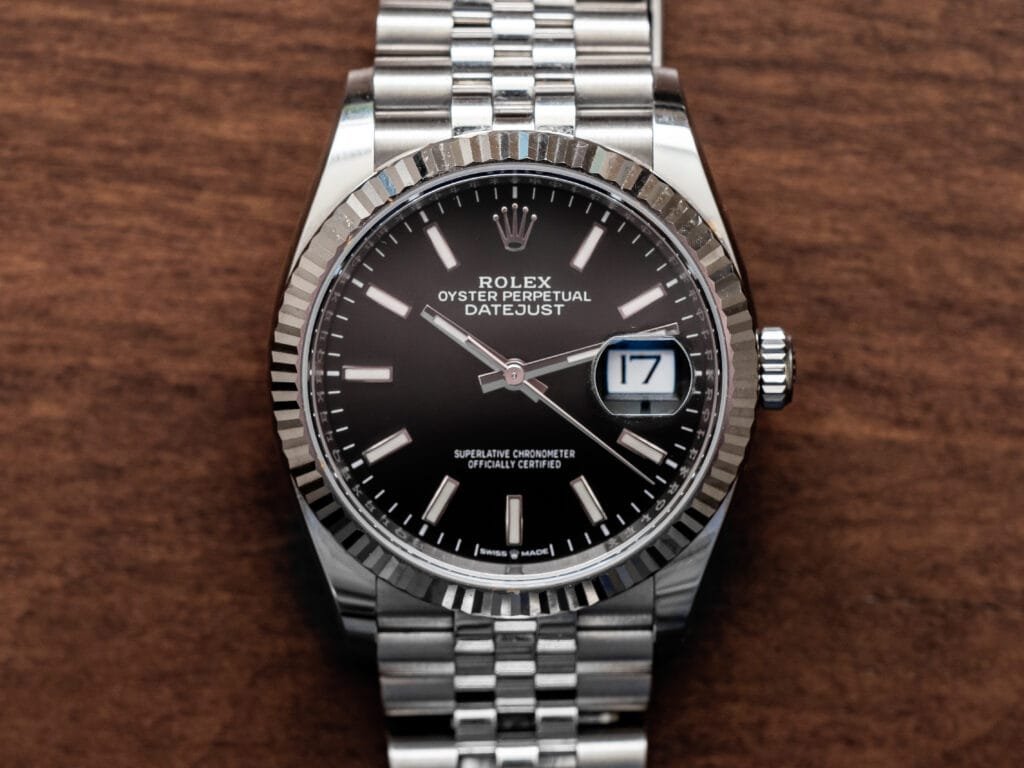
Found on the Datejust, Day-Date, Oyster Perpetual, Daytona, Sky-Dweller and Explorer. It is a folding link inside the clasp giving exactly 5mm, and it is either open or closed rather than variable.
To shorten: open the clasp, press the extension link inward, fold at the hinge until the groove lines up with the rod, and push until it clicks. To lengthen: unsnap the rod from the groove and unfold it.
3. The hidden spring bar positions, on older clasps
This is the one worth knowing. On Oyster clasps from four and five digit reference watches, there is no Easylink and no Glidelock, but the clasp holds a spring bar that can sit in three different positions, giving about 6mm of adjustment.
Push one end of the spring bar in with a pin, ease the bracelet out of the clasp, move it to a different hole, and let the bar seat. Plenty of owners of older Datejusts and Submariners have no idea this exists and go straight to a jeweller for a fit they could have had at their kitchen table.
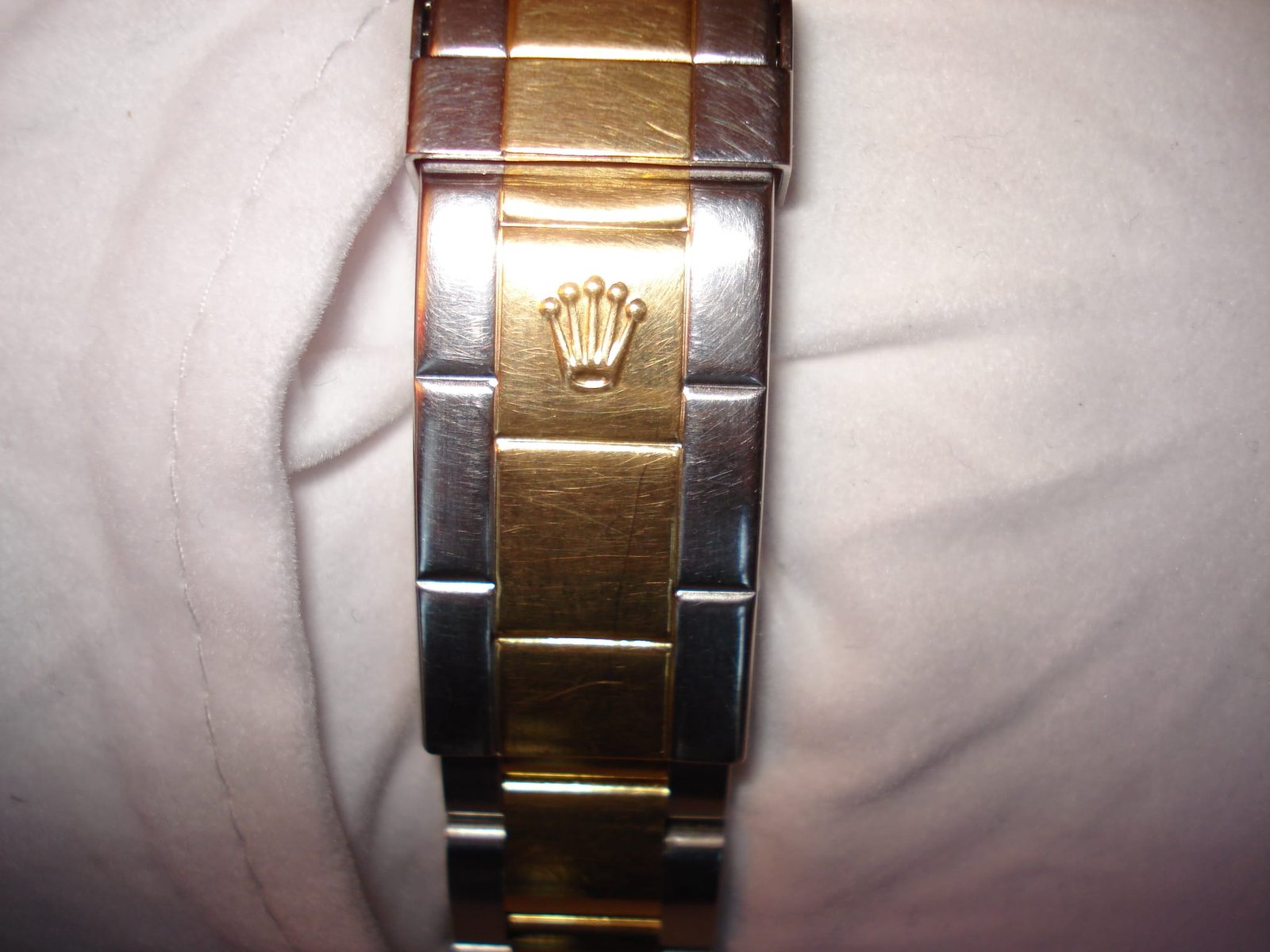
Centre the Clasp Afterwards
A bracelet sits properly when the clasp is centred on the underside of the wrist. After any adjustment, put the watch on and check. If the clasp has drifted round to one side, you have taken length off the wrong half, and the fix is to rebalance rather than to keep adjusting the same end.
When You Do Have to Remove a Link
Each link is worth roughly 5 to 6mm of circumference, so this is a coarse adjustment. Most Oyster bracelets carry four to six removable links near the clasp.
- Modern bracelets use screwed links. They need a 1.6mm hollow-ground screwdriver, not a general precision driver. The wrong tip rounds the screw head.
- Vintage bracelets use pins and tubes. These need a 1.0 to 1.2mm pin pusher and are directional, so check for arrows.
- Work in a bracelet holder rather than holding it in your fingers.
- Remove links evenly from both sides so the clasp stays centred.
The risk is specific: Rolex uses solid links with hollow-headed pins, and misalignment during removal scratches the sides of the links or snaps the pin. On a watch of this value that is a genuine reason to let a watchmaker do it, and there is no shame in stopping here.
If the Bracelet Is Stretched Rather Than Long
Adjustment will not fix a worn bracelet. Years of wear open up the tolerances between links and pins, and a stretched bracelet rattles, sags and sits loose however you set the clasp. Removing links masks it briefly and then it returns.
For an older watch whose bracelet is past saving, an aftermarket Oyster bracelet with a Glidelock clasp in 20mm is a common route, and it adds the micro-adjustment that older references never had. Match the lug width and the end link profile to your reference before ordering.
Conclusion
Glidelock first if you have it, Easylink next, and the three spring bar positions if your clasp predates both. That covers up to 20mm of adjustment without a single tool. Only after all three should anyone be taking links out, and on a Rolex that is the one step genuinely worth paying someone else to do.
Related Guides
- Why does my Rolex Submariner keep stopping?: worth checking if the watch has been sitting unworn while you sorted the fit.
- Five reasons Rolex bezels fade: the other thing owners notice once they start looking closely at an older Rolex.
- Seiko Presage bracelet sizing: the same link removal job on a bracelet where the stakes are considerably lower.
Image credits: Rolex Datejust by Ajay Suresh. Rolex Submariner via Wikimedia Commons.