
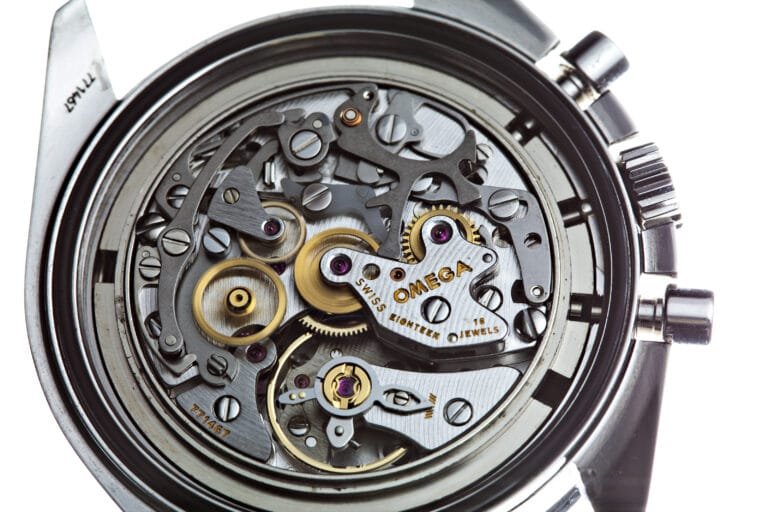
Omega Co-Axial Movement Running Slow: Common Causes
Power reserve, magnetism and lubricant all cause slow running on a Co-Axial, and the fix depends on which calibre you own.
Power reserve, magnetism and lubricant all cause slow running on a Co-Axial, and the fix depends on which calibre you own.
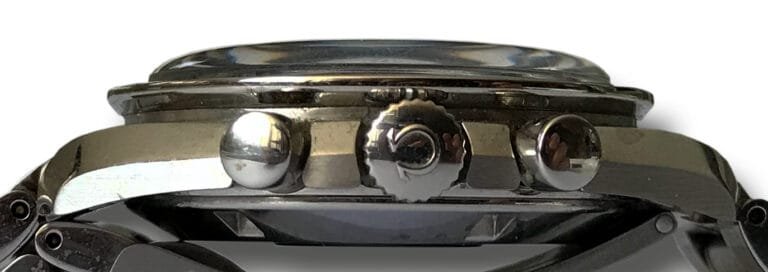
Firm pushers are normal on a mechanical chronograph. Gritty or newly-changed ones point to hardened gaskets or dried lubricant.
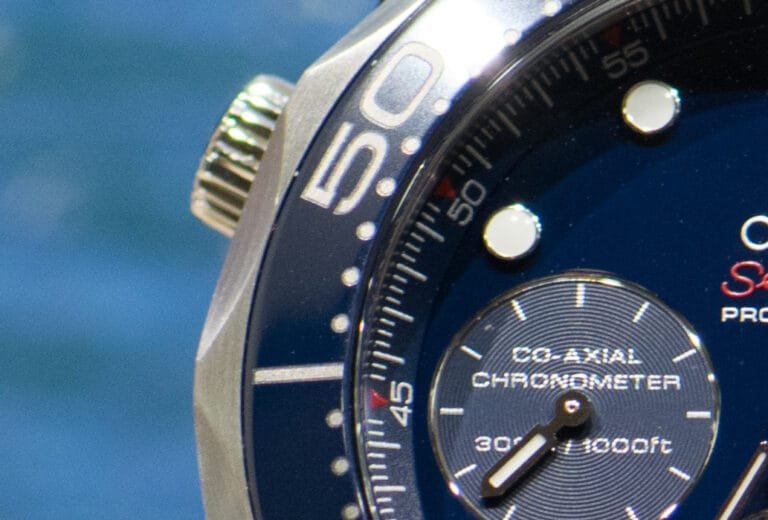
What the extra crown at 10 o'clock actually does, why you should never unscrew it, and how to free one that has seized.
How to tell harmless condensation from a failing gasket, which seal usually goes first, and the desiccant trick that works.
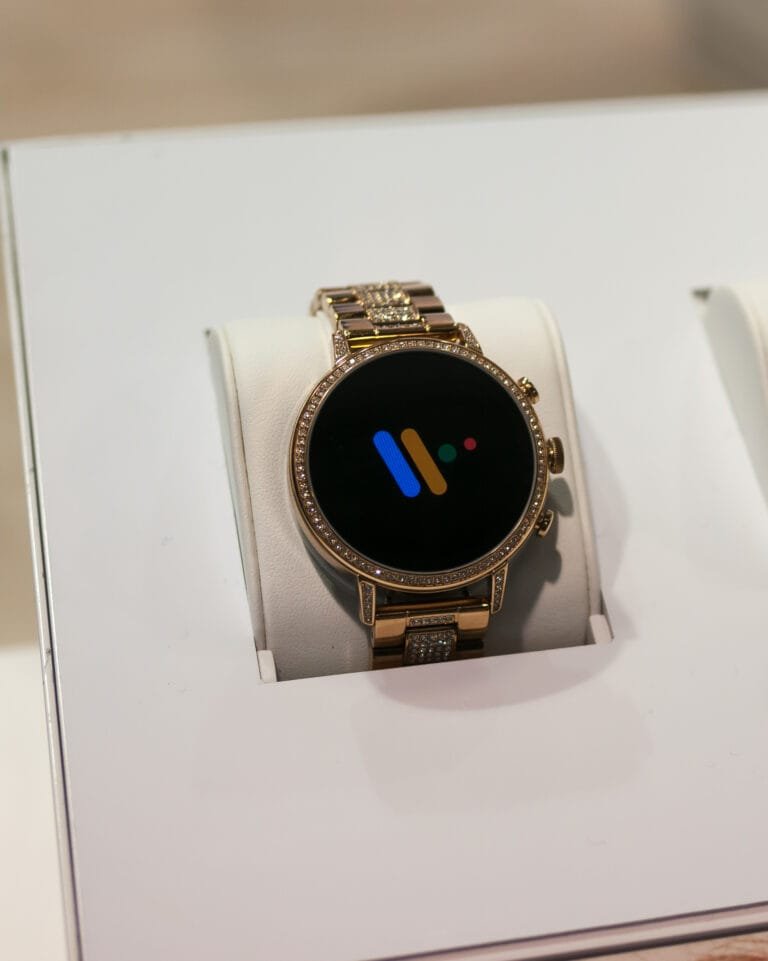
Charging problems on a Fossil Gen smartwatch are usually contacts or seating, not a failed battery. Work through these in order.
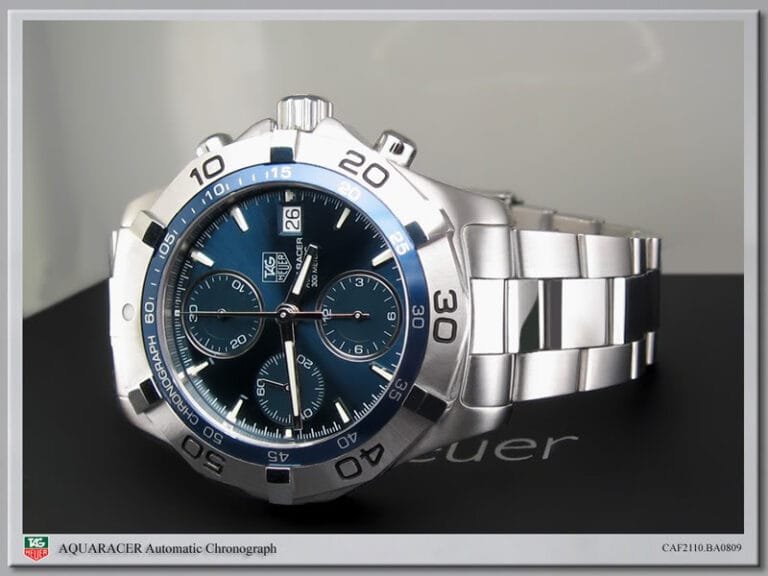
Worn clasp springs are ordinary wear, not a defect. How to tell when replacement is due and how to match the right size.
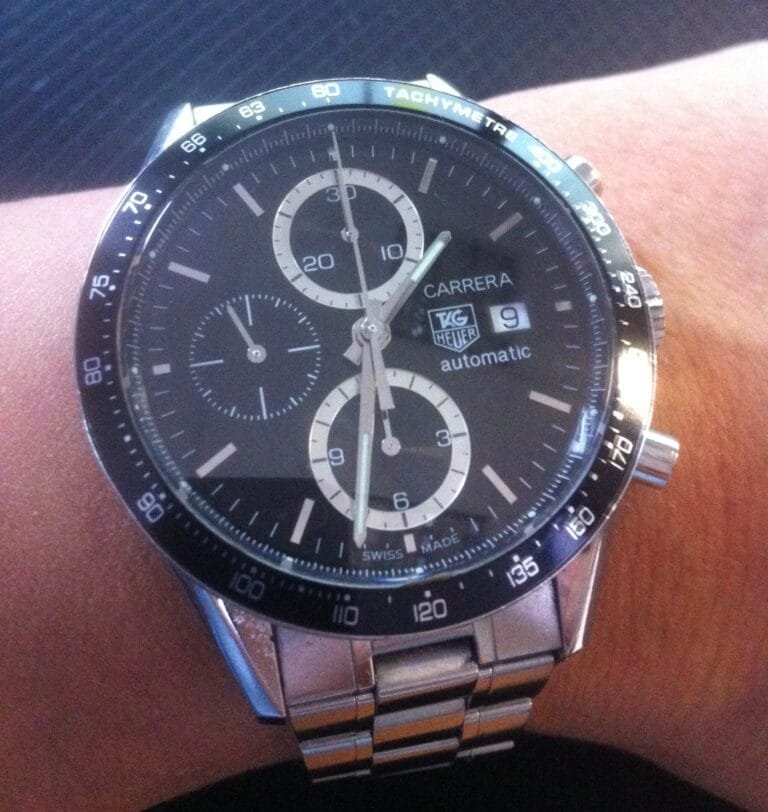
The crown-and-pusher sequence that recalibrates a hand sitting off zero, and how to tell a dead battery from a damaged motor.
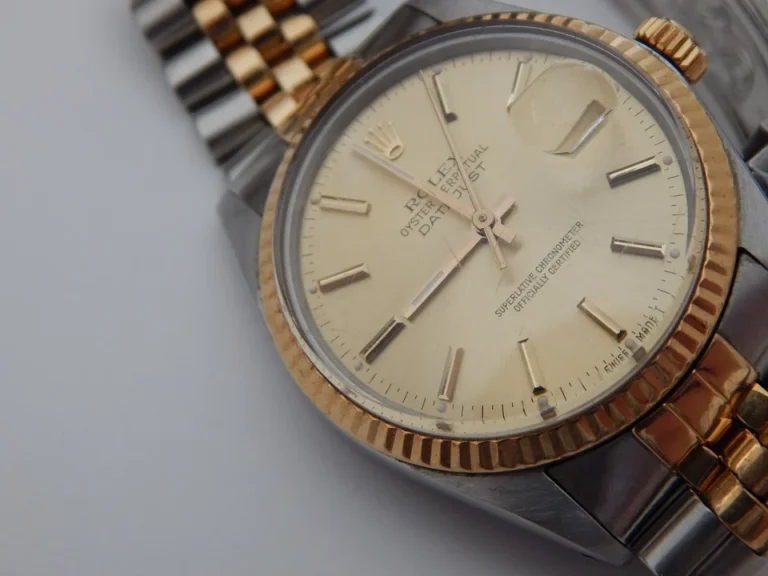
The back-threading technique that prevents cross-threading, and how to tell a misaligned crown from genuinely stripped threads.
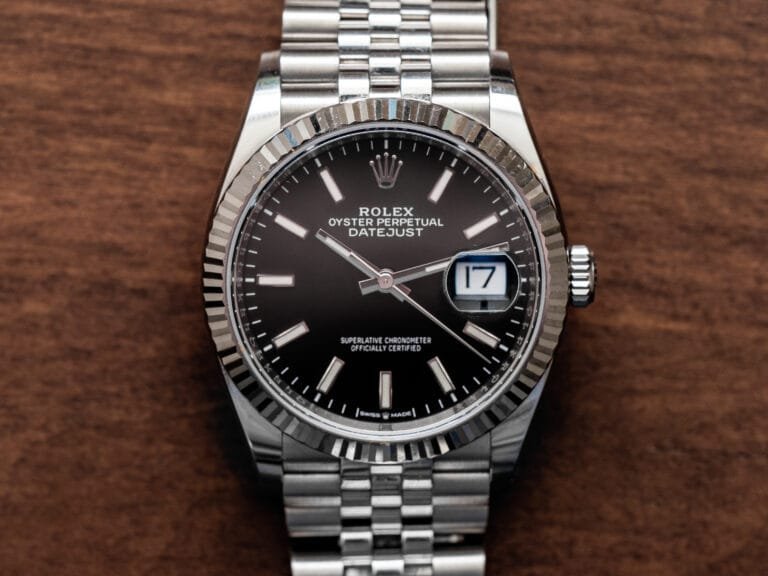
Slow and off-schedule date changes are usually normal. The one genuine risk is using quickset inside the danger window.
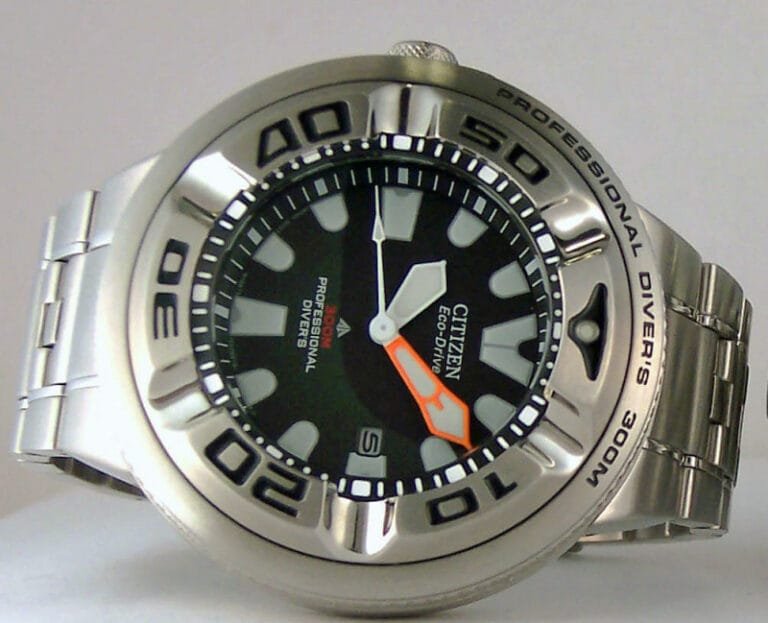
What Citizen's own lab testing says about cell lifespan, the habits that shorten it, and what replacement actually costs.
No guides match those filters.